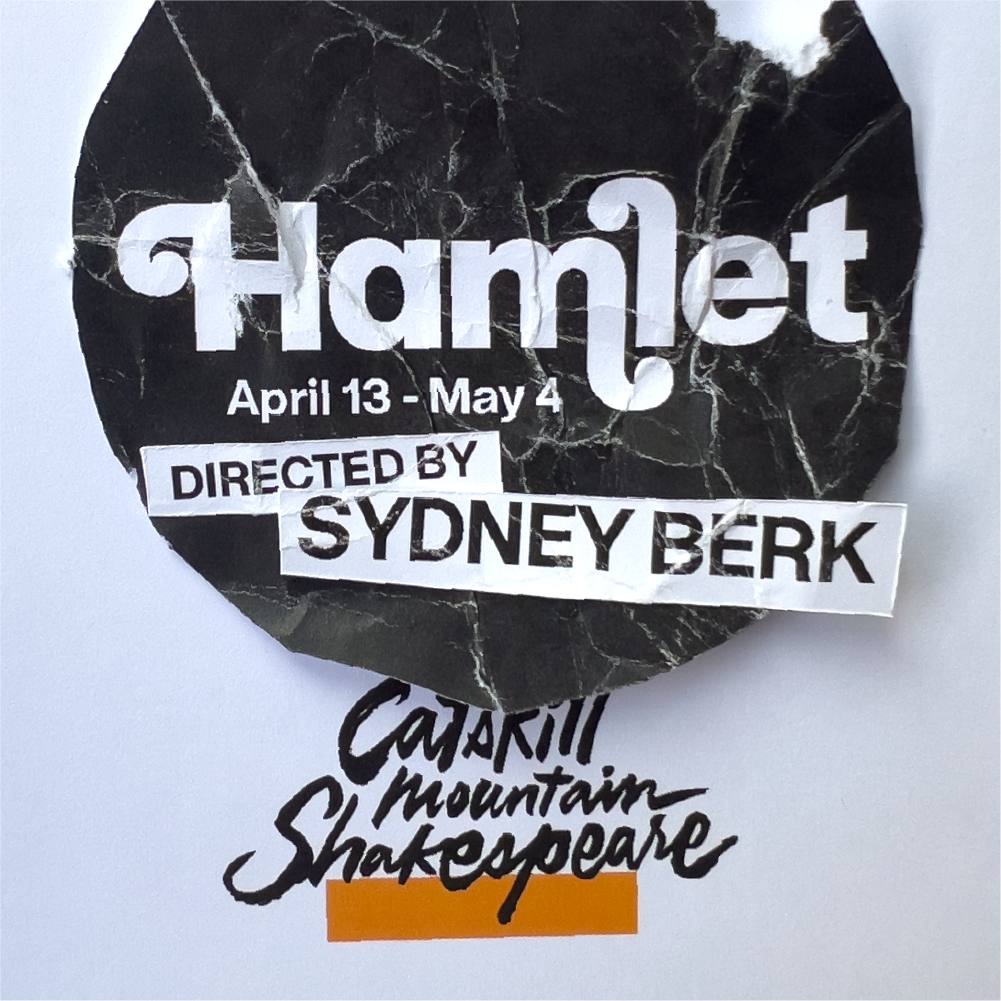
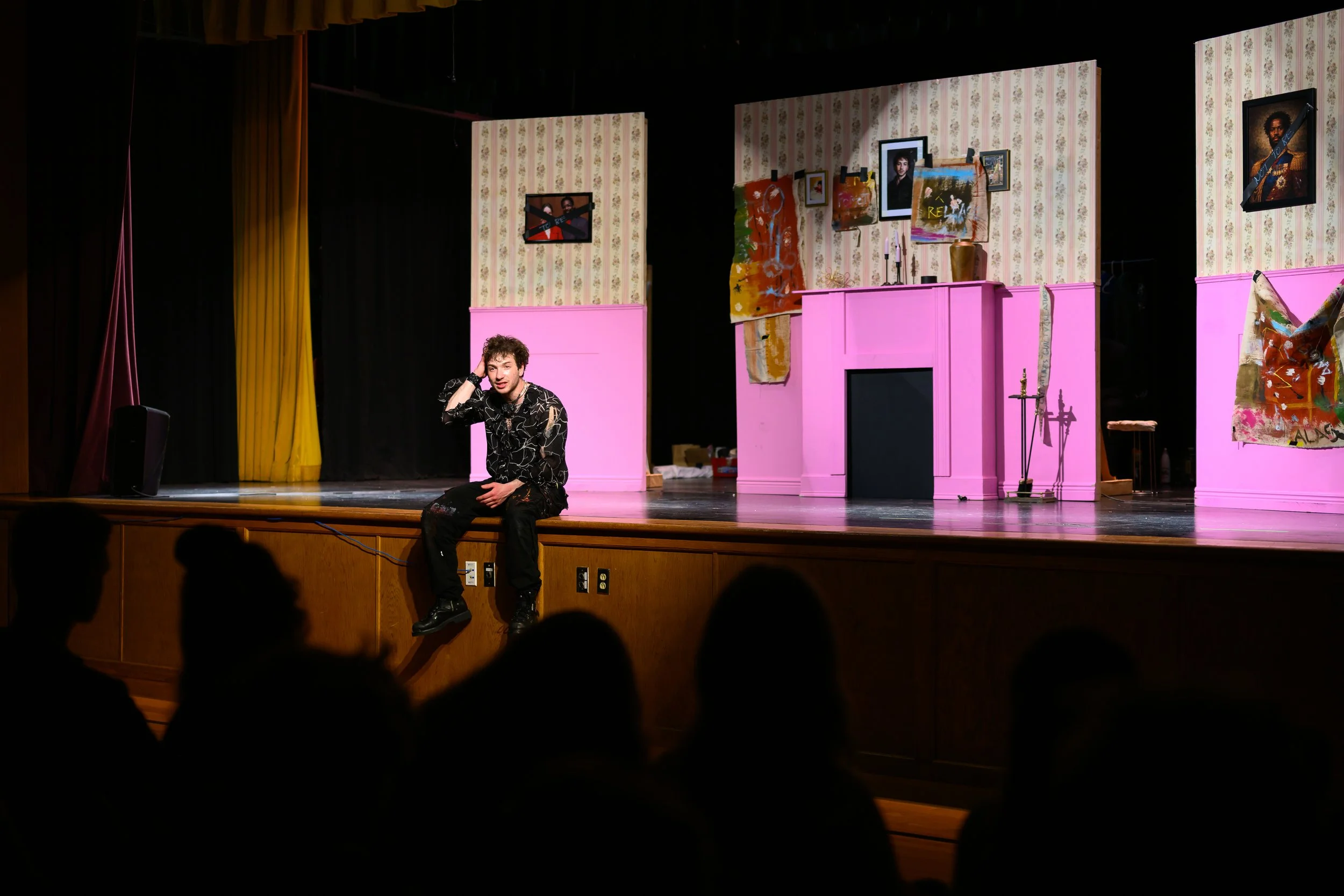
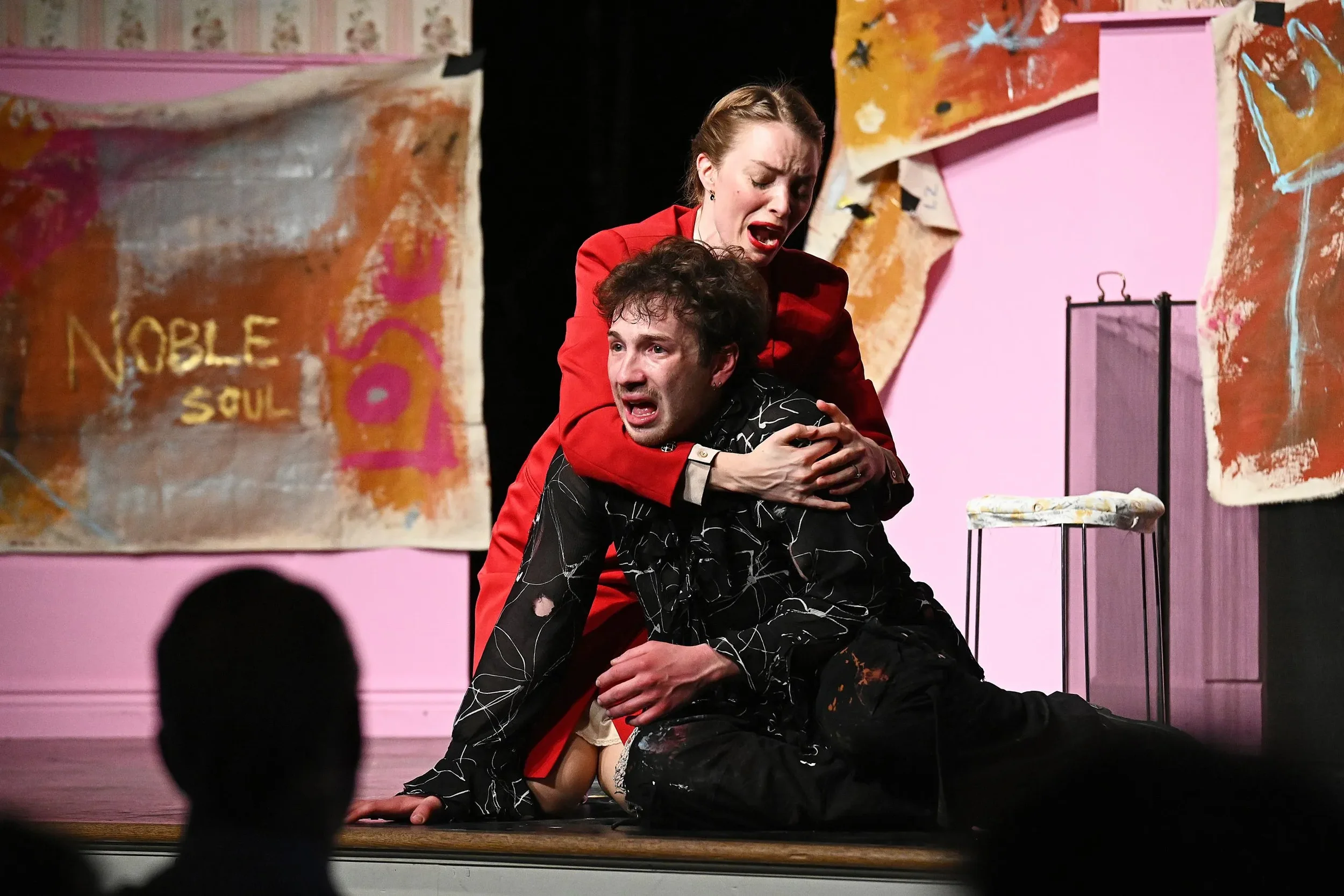
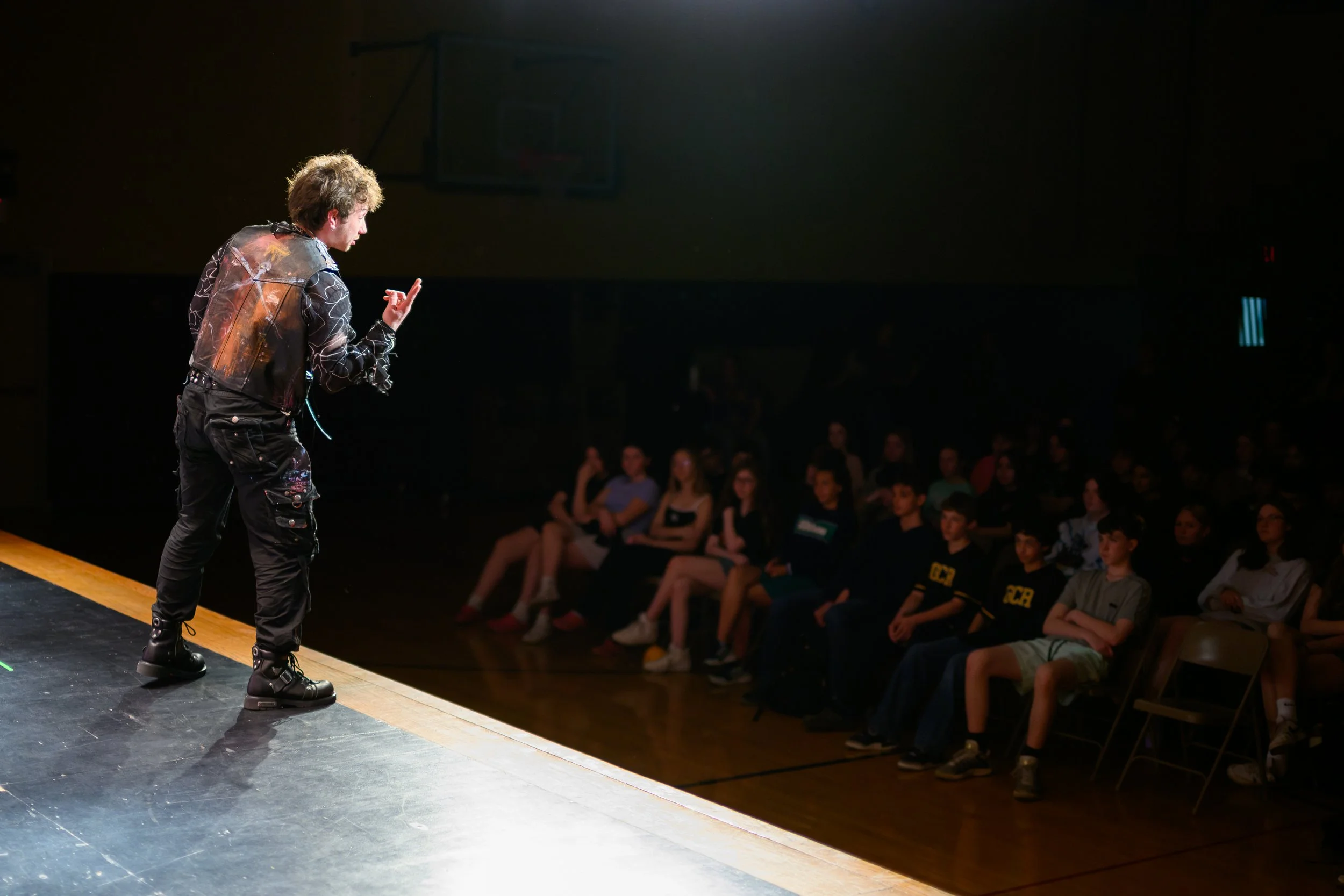
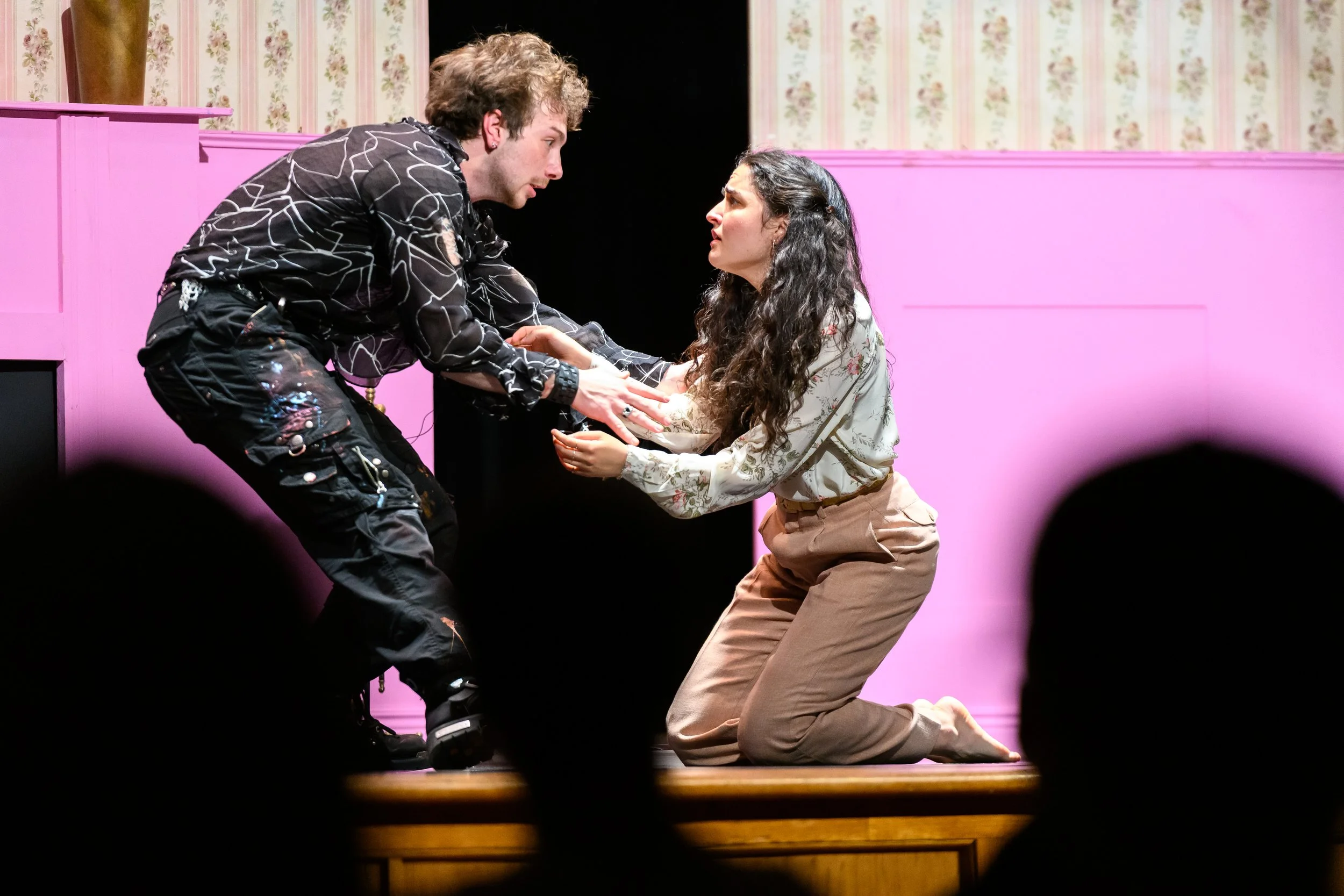
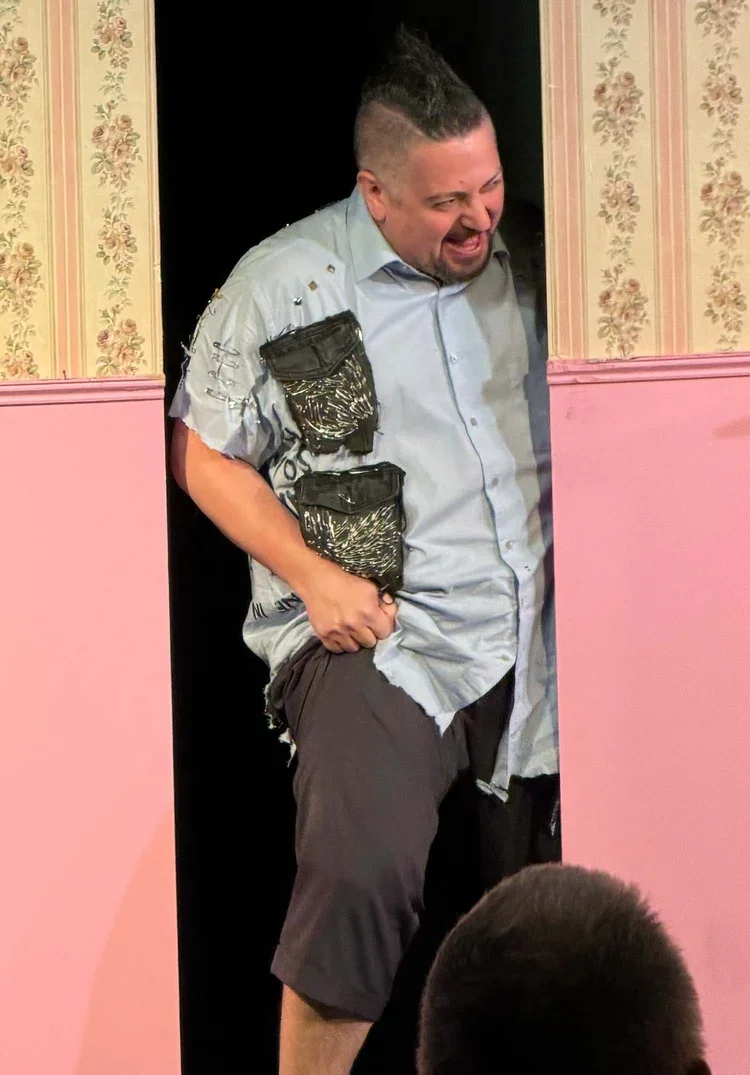
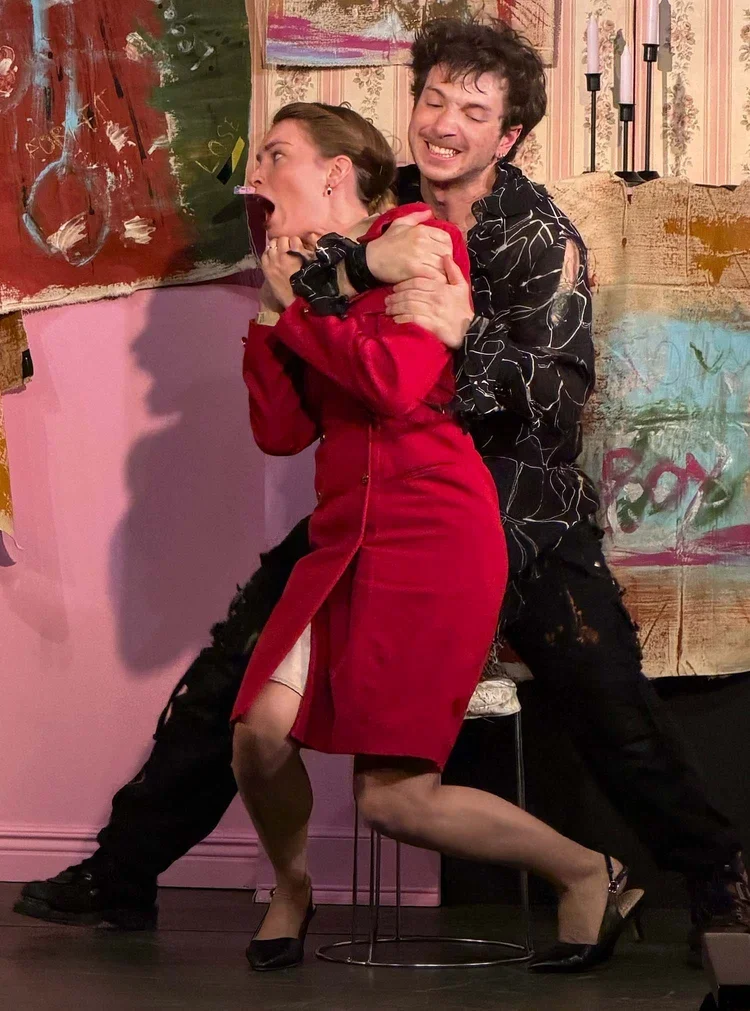
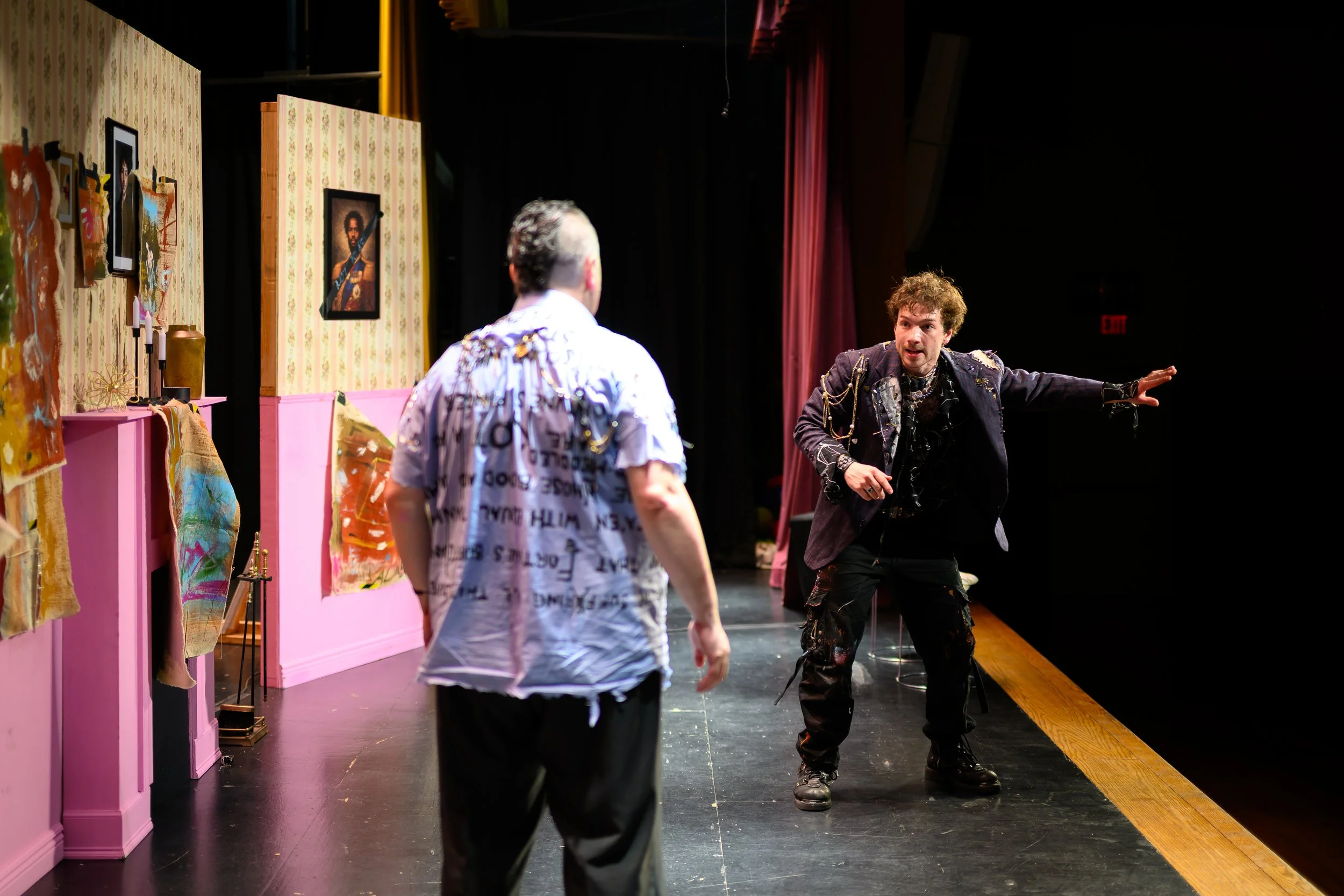
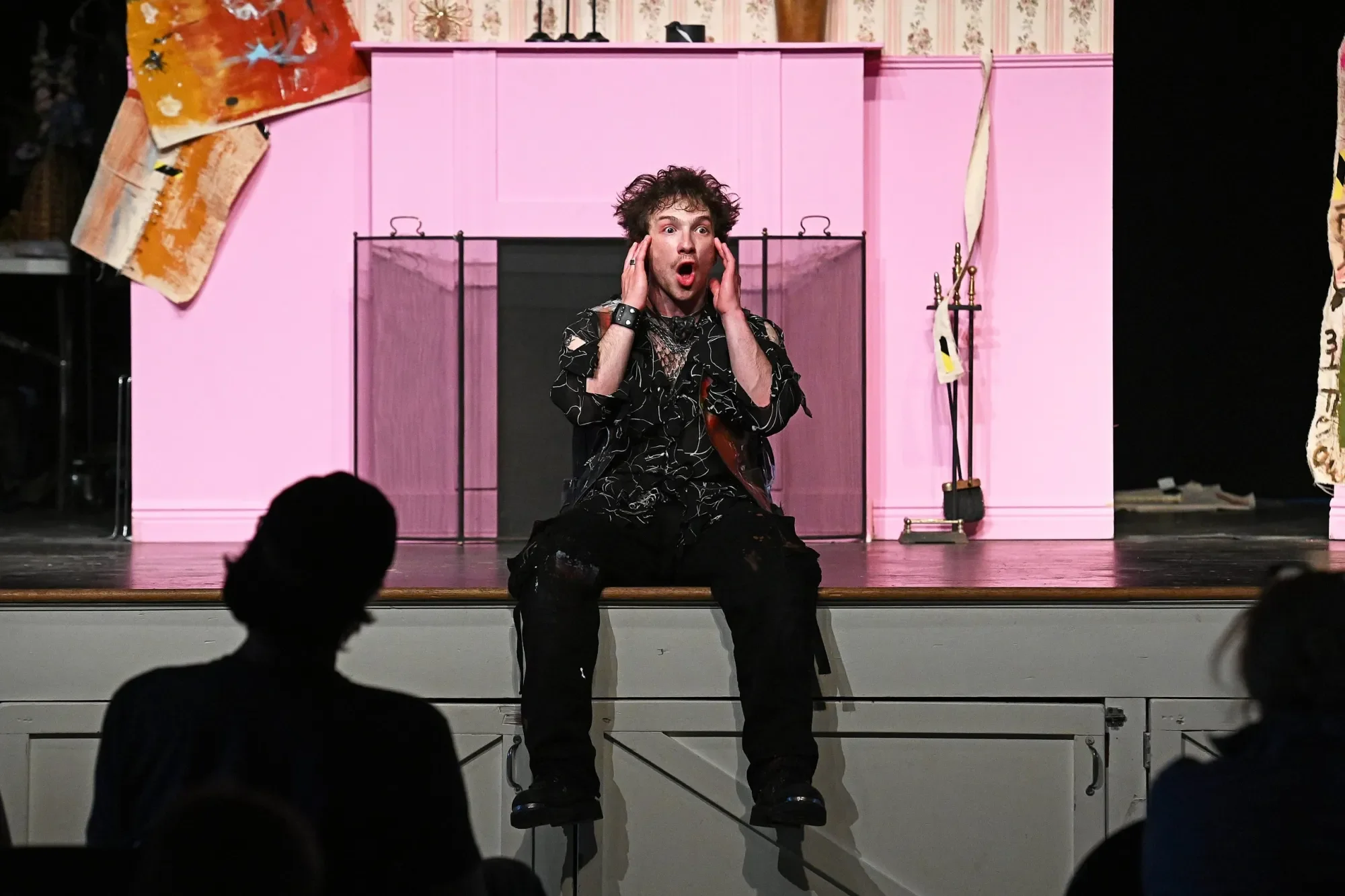
Sydney Berk’s Hamlet for Catskill Mountain Shakespeare was a fast, funny, and fiercely contemporary 90-minute adaptation of Shakespeare’s tragedy. Set in 1984, just as the Walkman was transforming the way young people experienced music, the production thrust audiences into a world of punk and prep. Music from the Sex Pistols, Dead Kennedys, and The Clash was woven throughout the production, propelling the action forward and giving physical expression to Hamlet’s growing rebellion against the world around him.
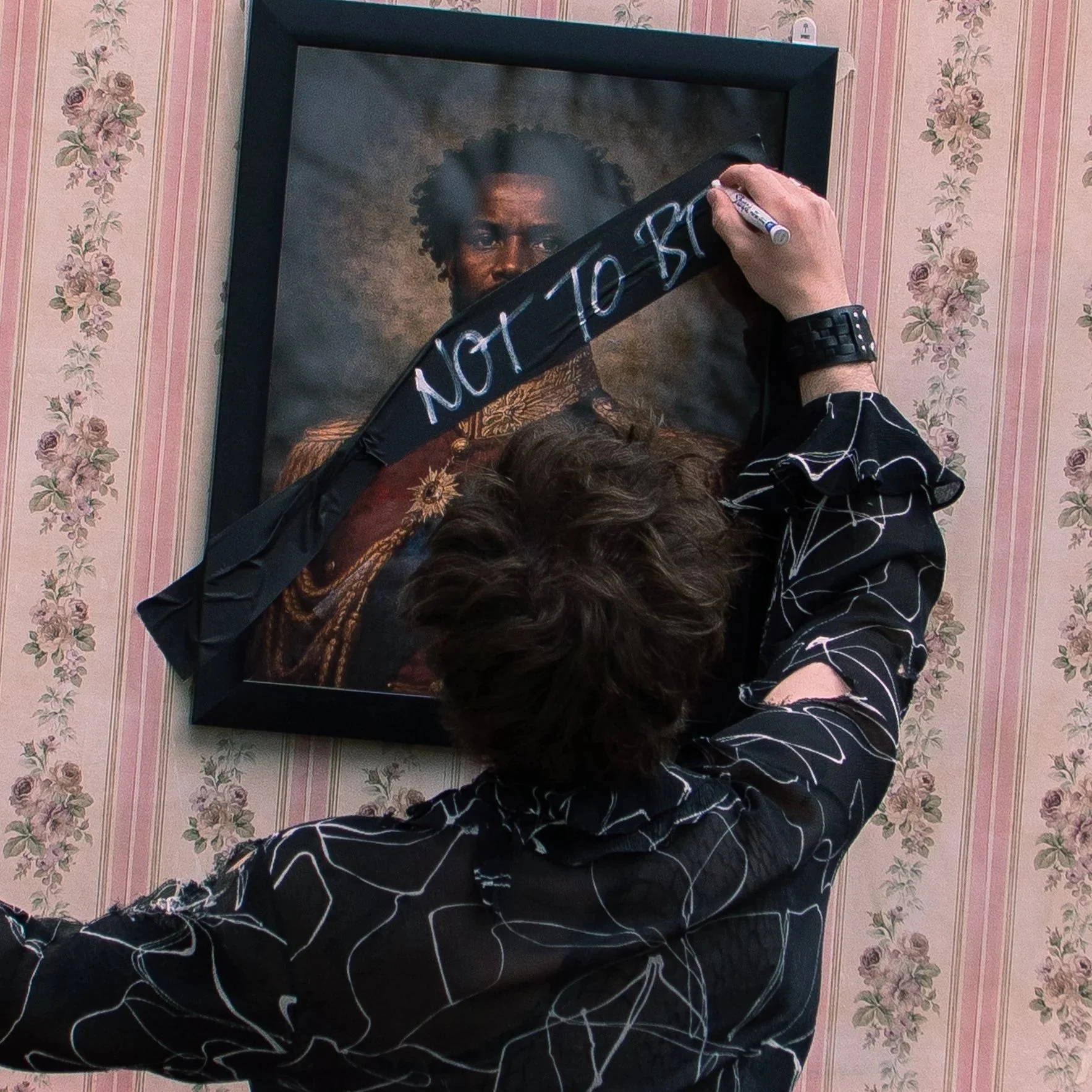
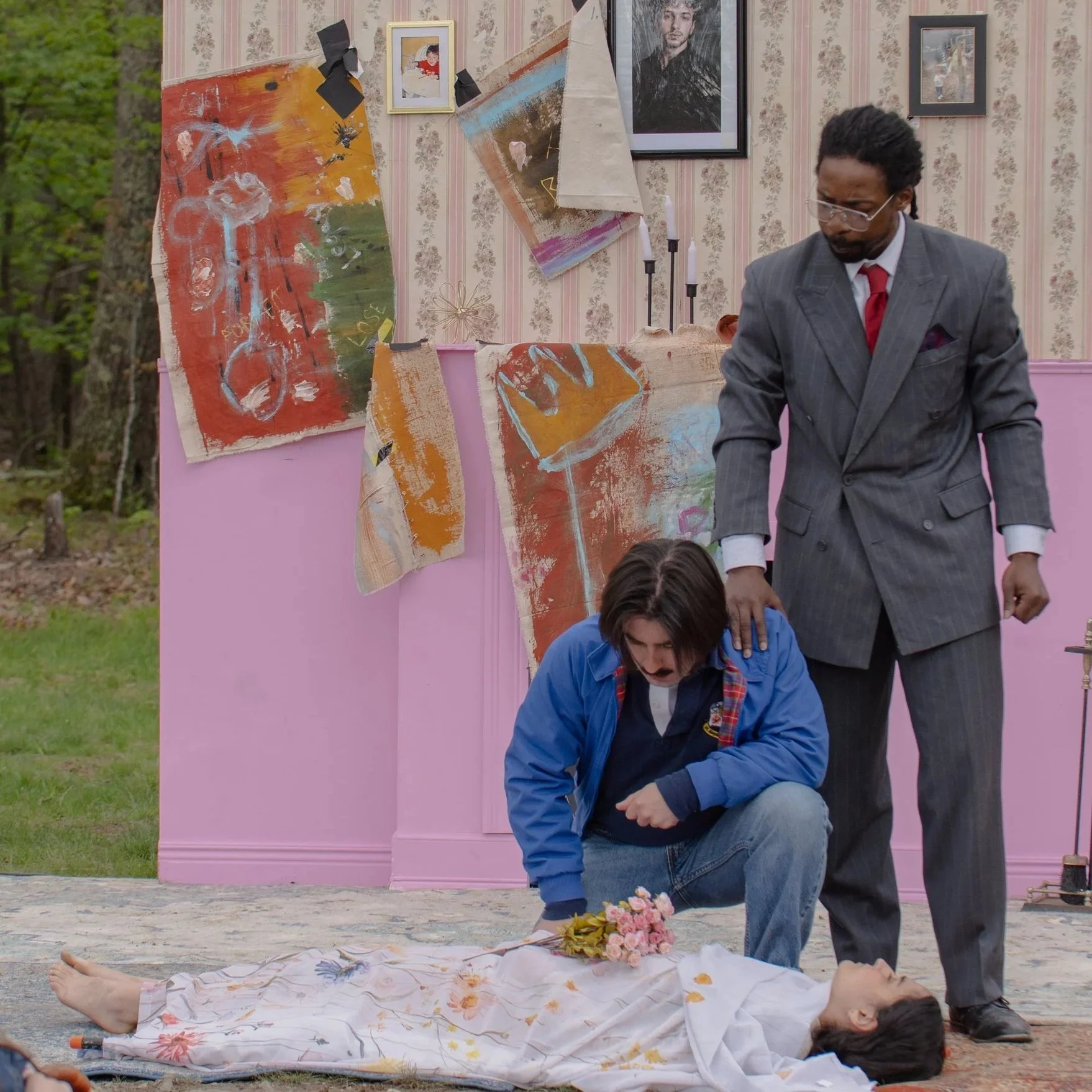
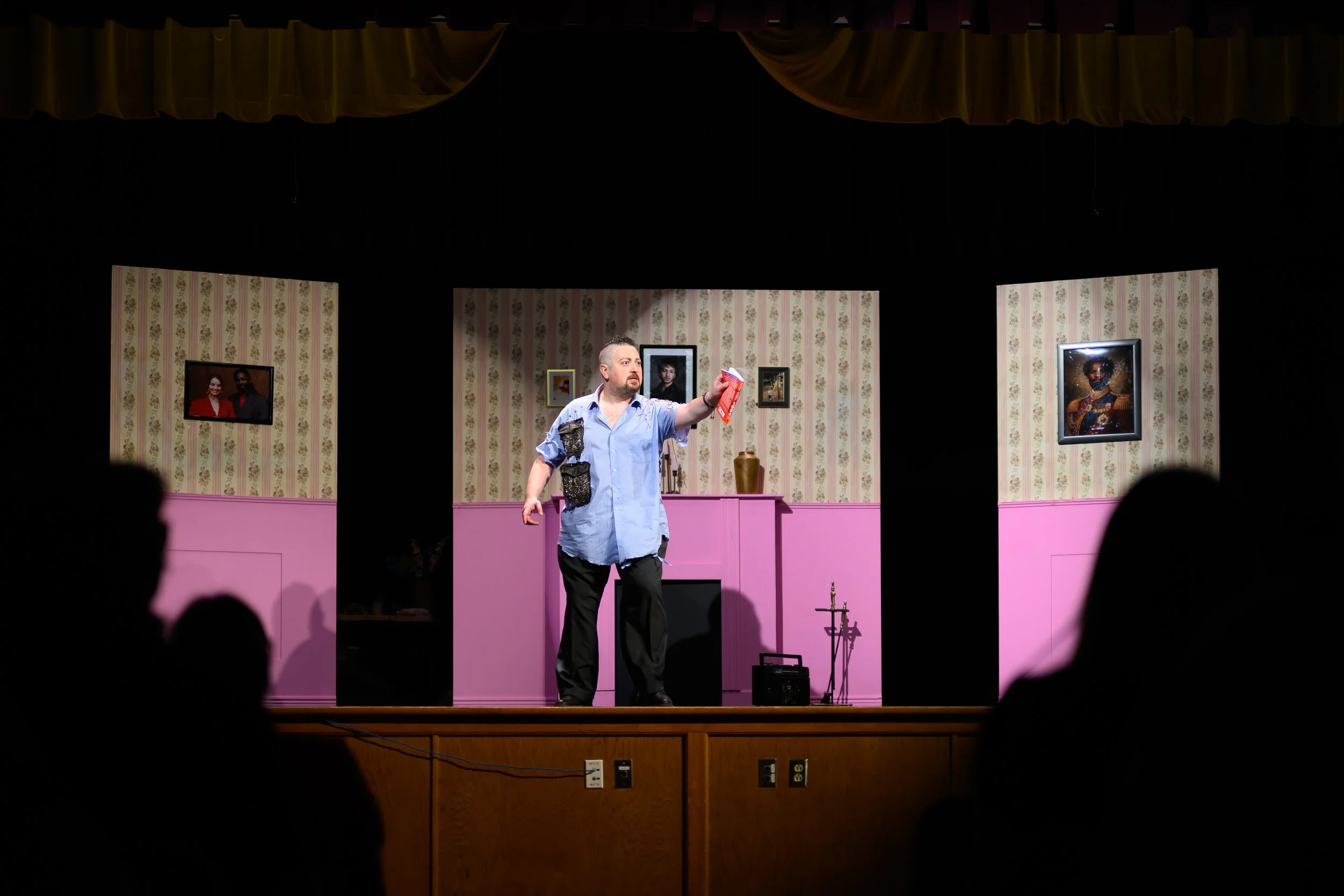
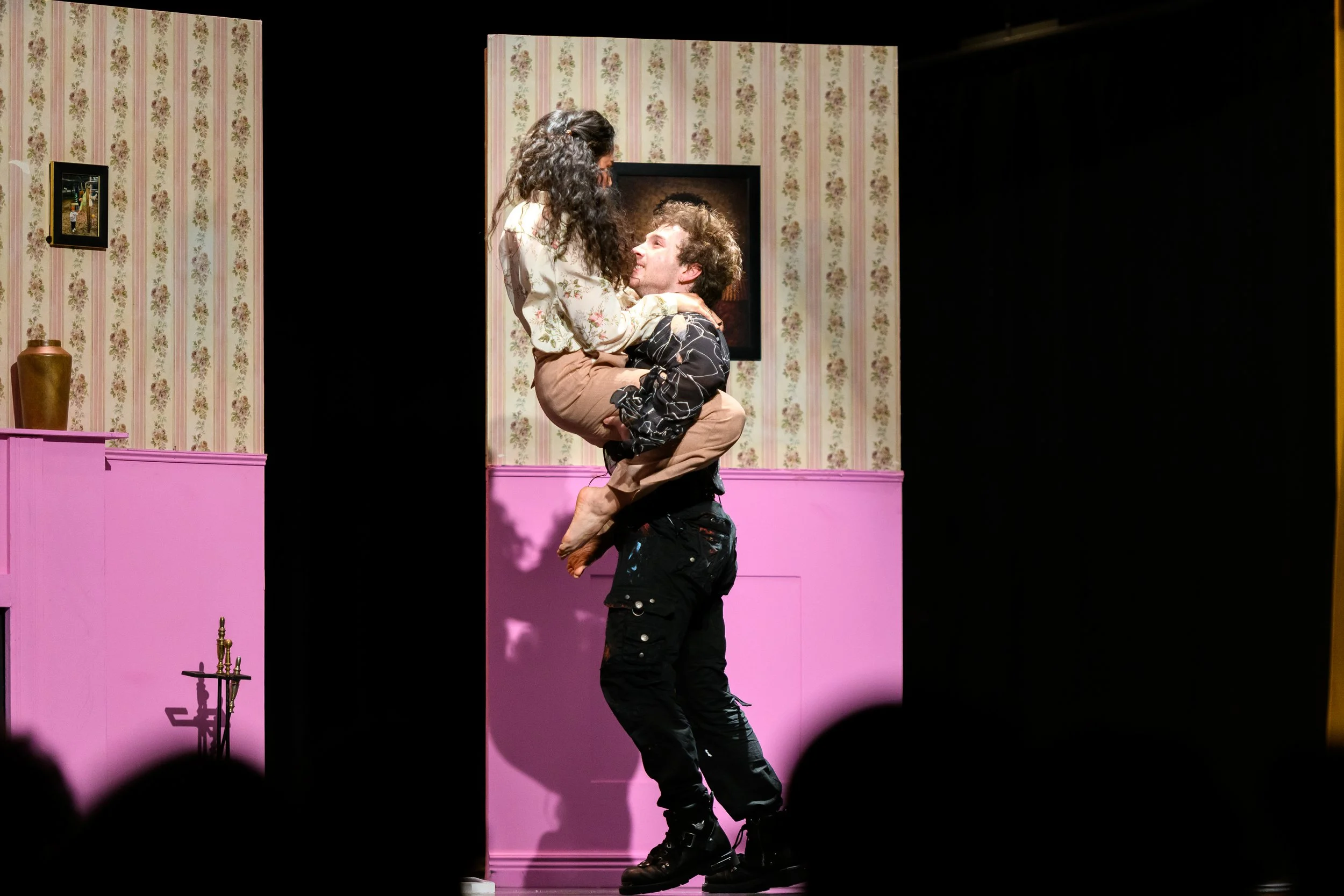
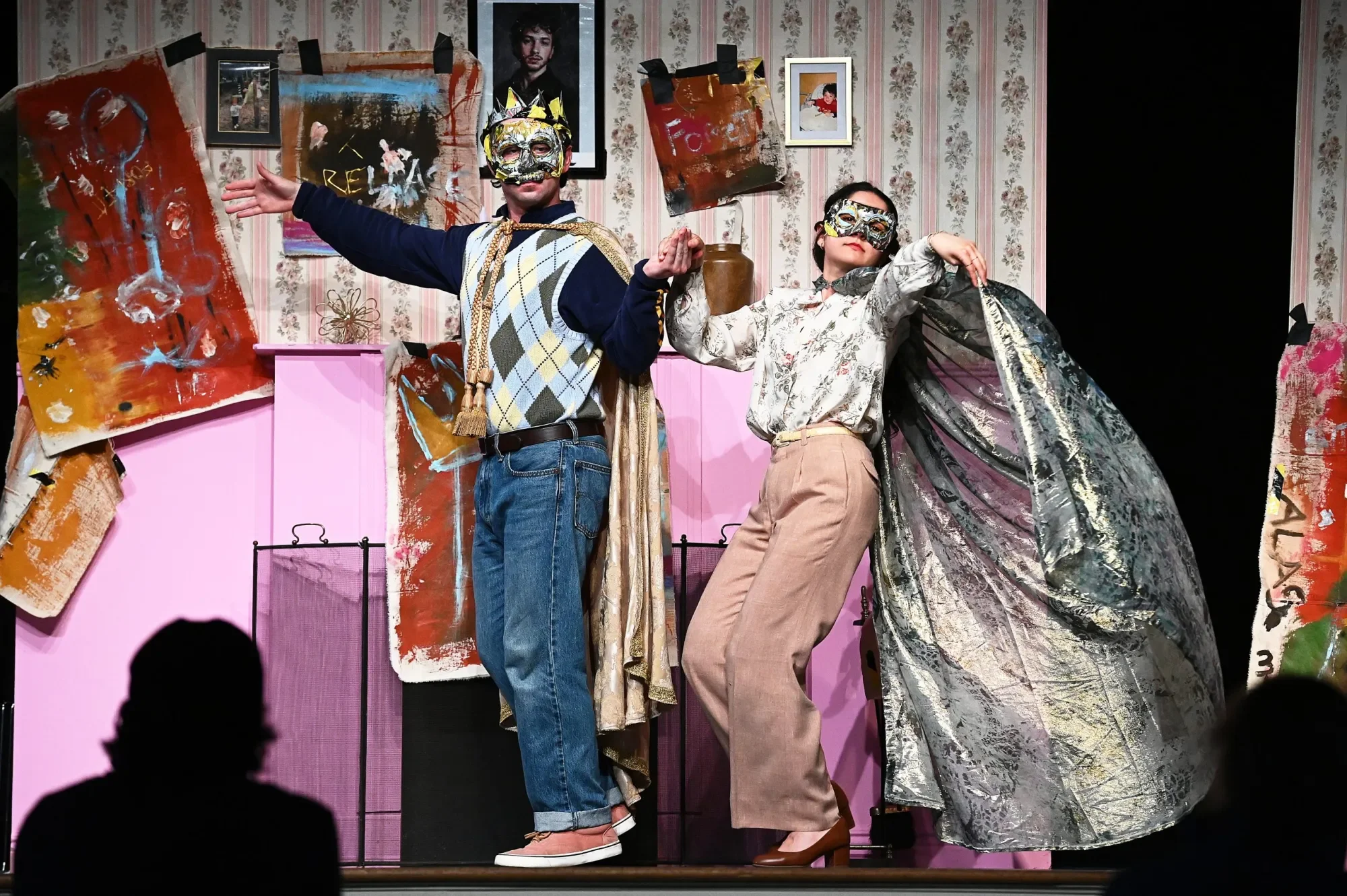
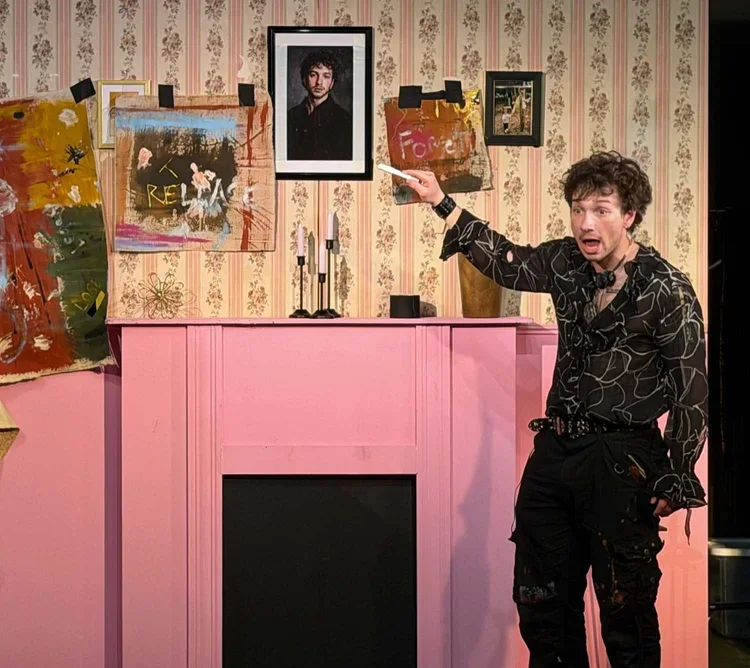
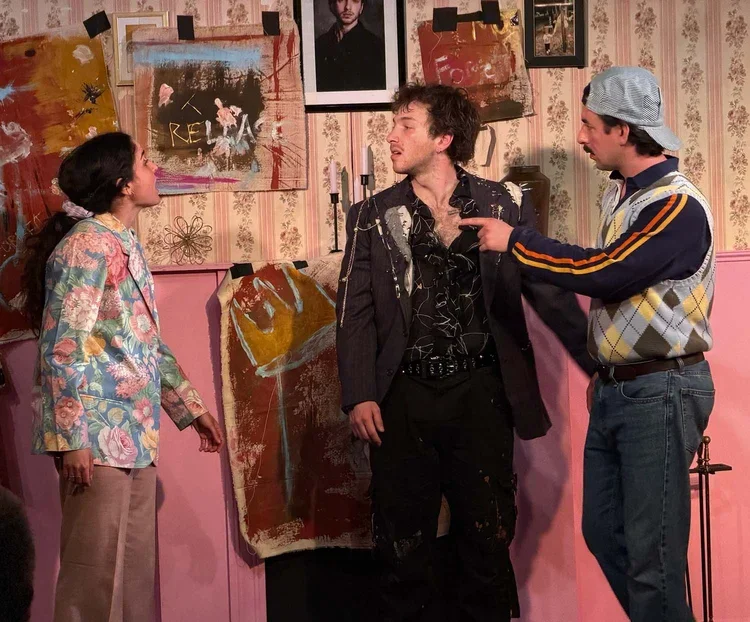
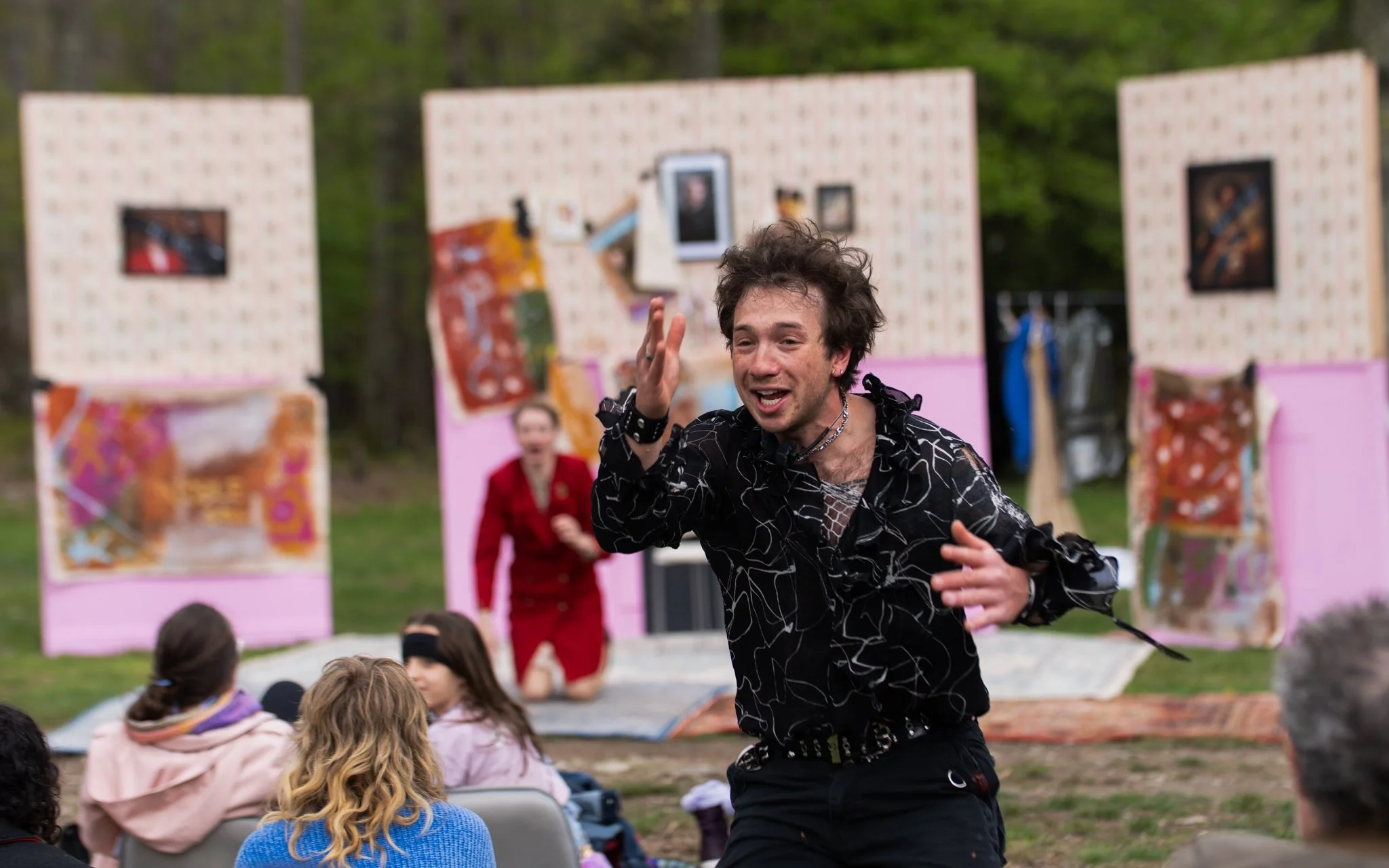
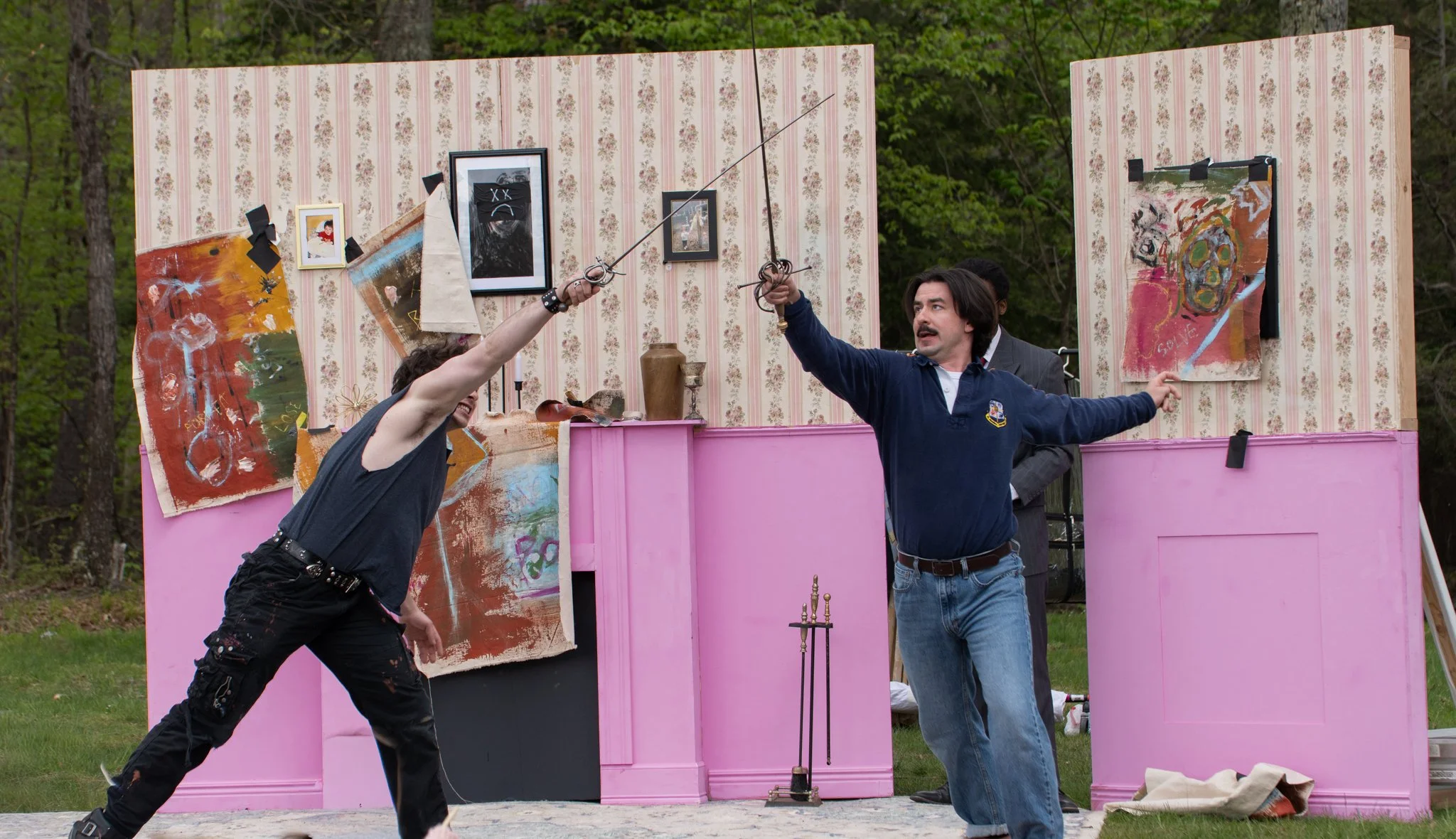
Designed as a touring production, this Hamlet stripped the play down without sacrificing its complexity, emphasizing clarity, momentum, and Shakespeare’s often-overlooked dark humor. The production aimed to make the story immediate and accessible—particularly for audiences encountering Shakespeare for the first time—while preserving the emotional and philosophical weight at the heart of the play. The production imagined Hamlet having discovered punk while away at school and returning home transformed, using music as an outlet for his grief, anger, and alienation. He returned to an Elsinore defined by old-money polish and preppy perfection—the visual world of the Kennedys. The set began as an immaculate, carefully curated family living room, filled with portraits and symbols of tradition. As Hamlet’s rebellion grew, he began physically taking over the space, covering family portraits with his own artwork and duct-taping his creations across the walls. By the end, Hamlet had overtaken the castle both physically and energetically, transforming the pristine family home into an expression of his own inner world.
The director explained that at its core, the production was inspired by the Hamlet she would have wanted to see at sixteen. It was a Hamlet made first and foremost for teenagers: dark, sexy, twisted, urgent, and alive.
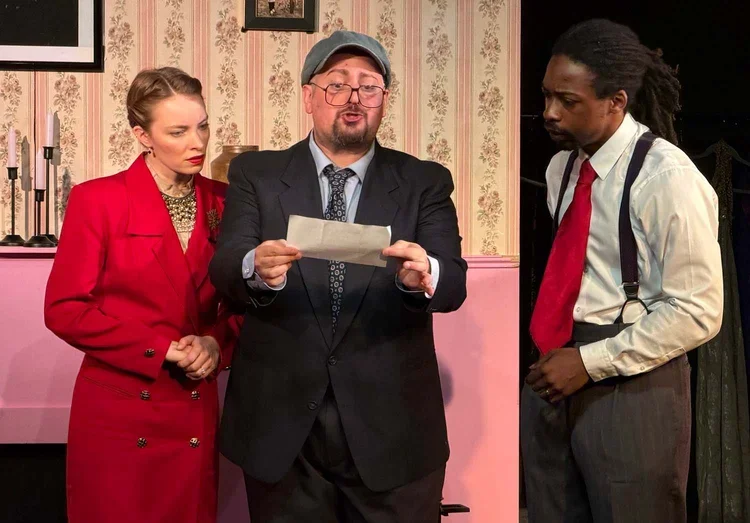
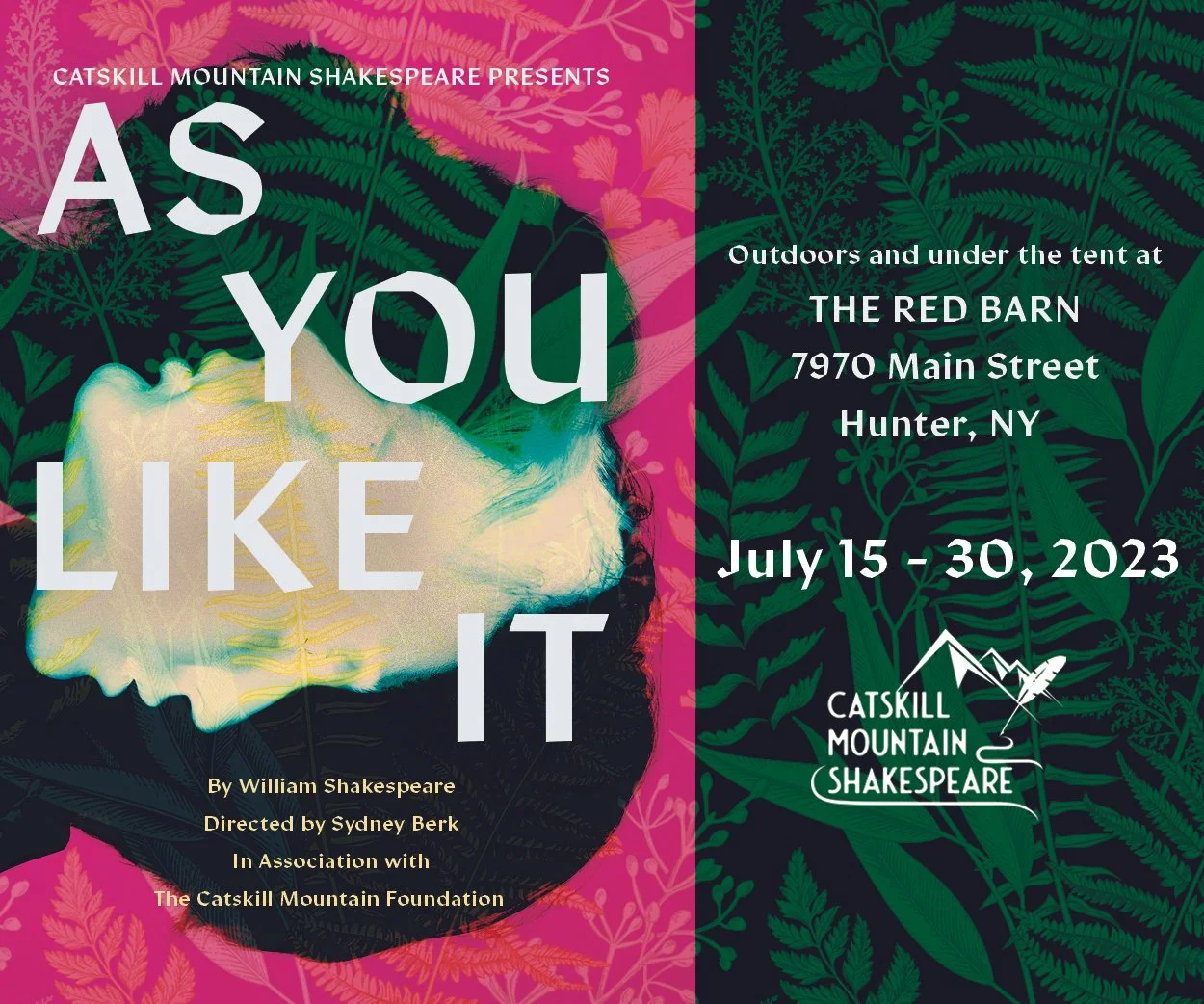
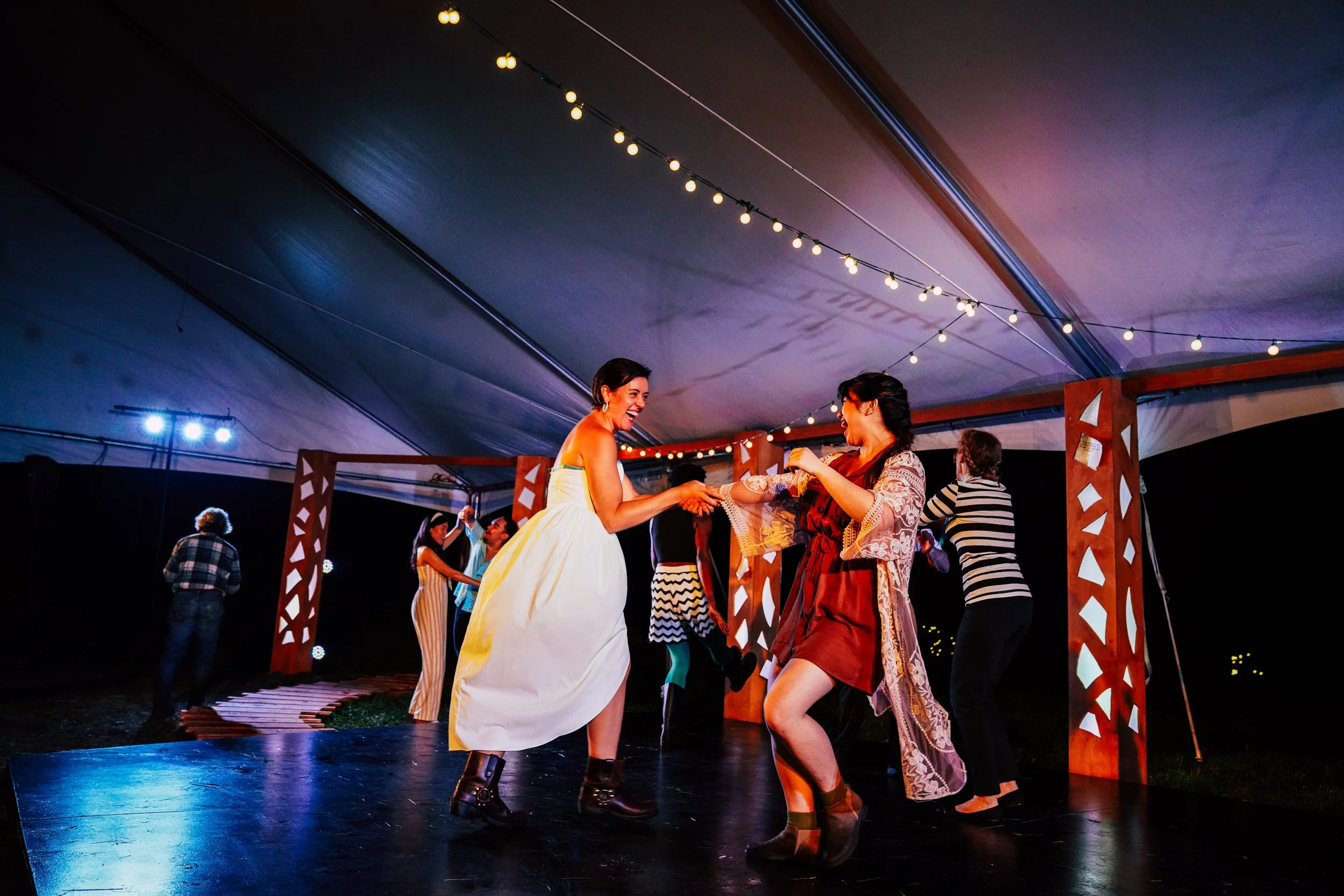
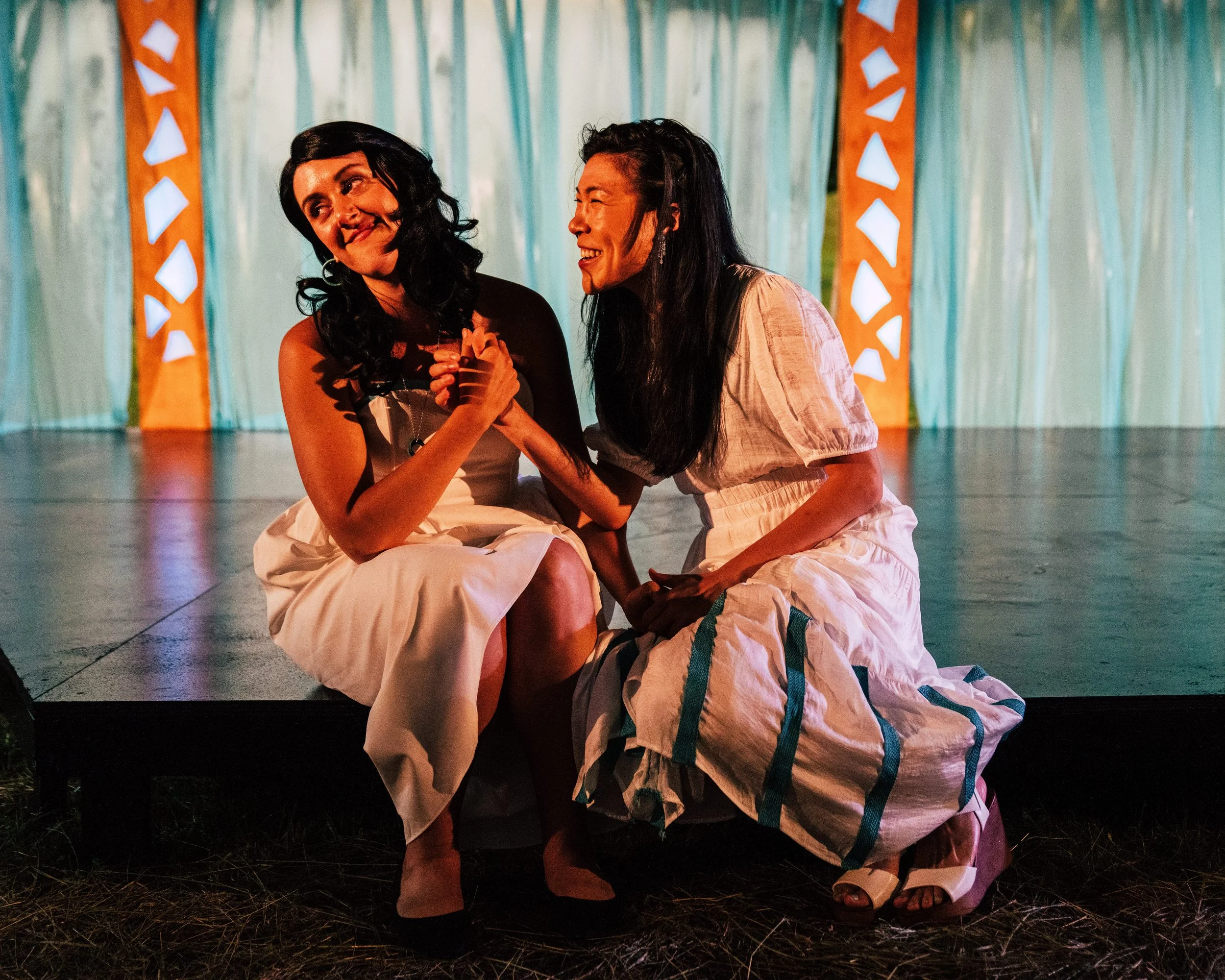
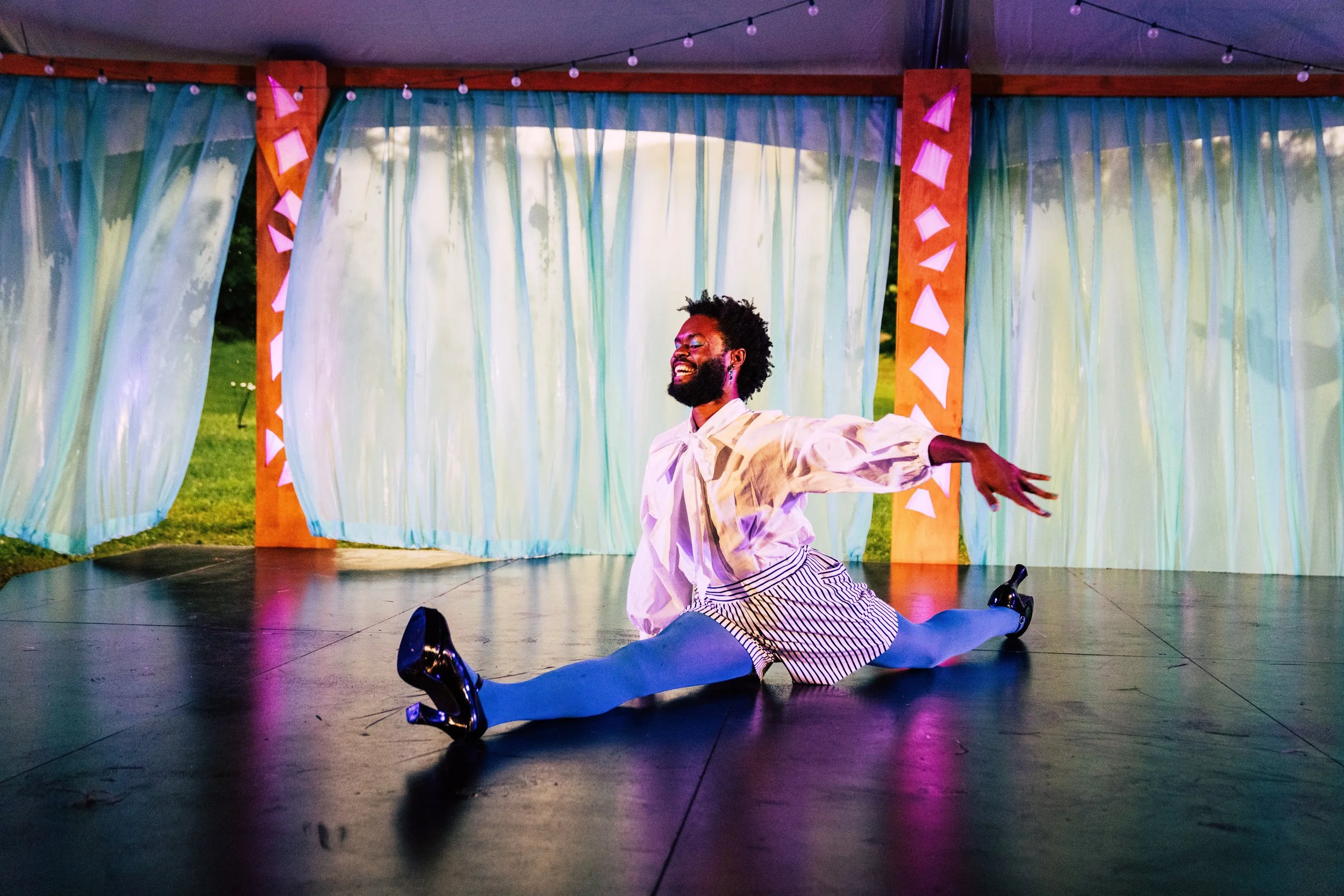
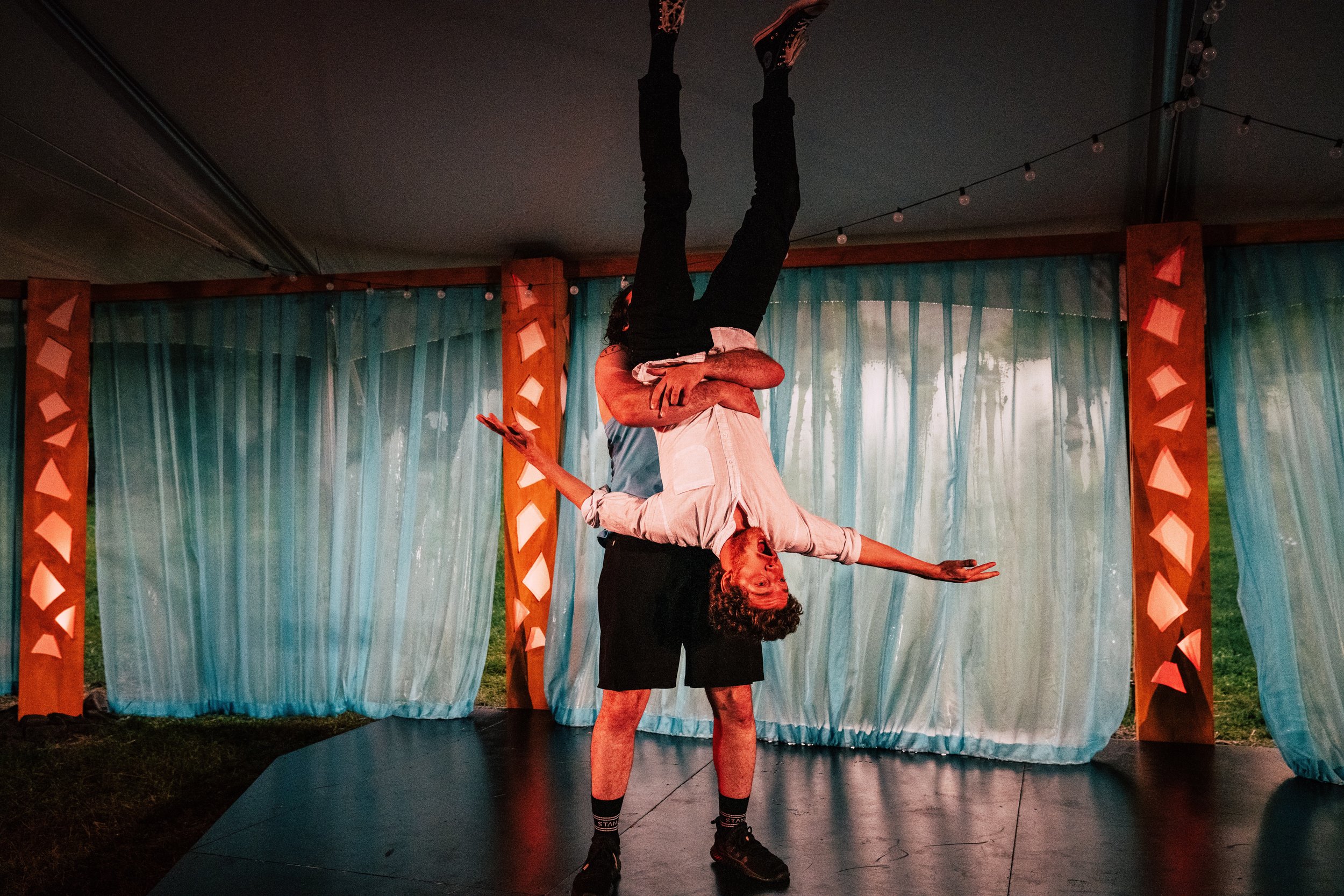
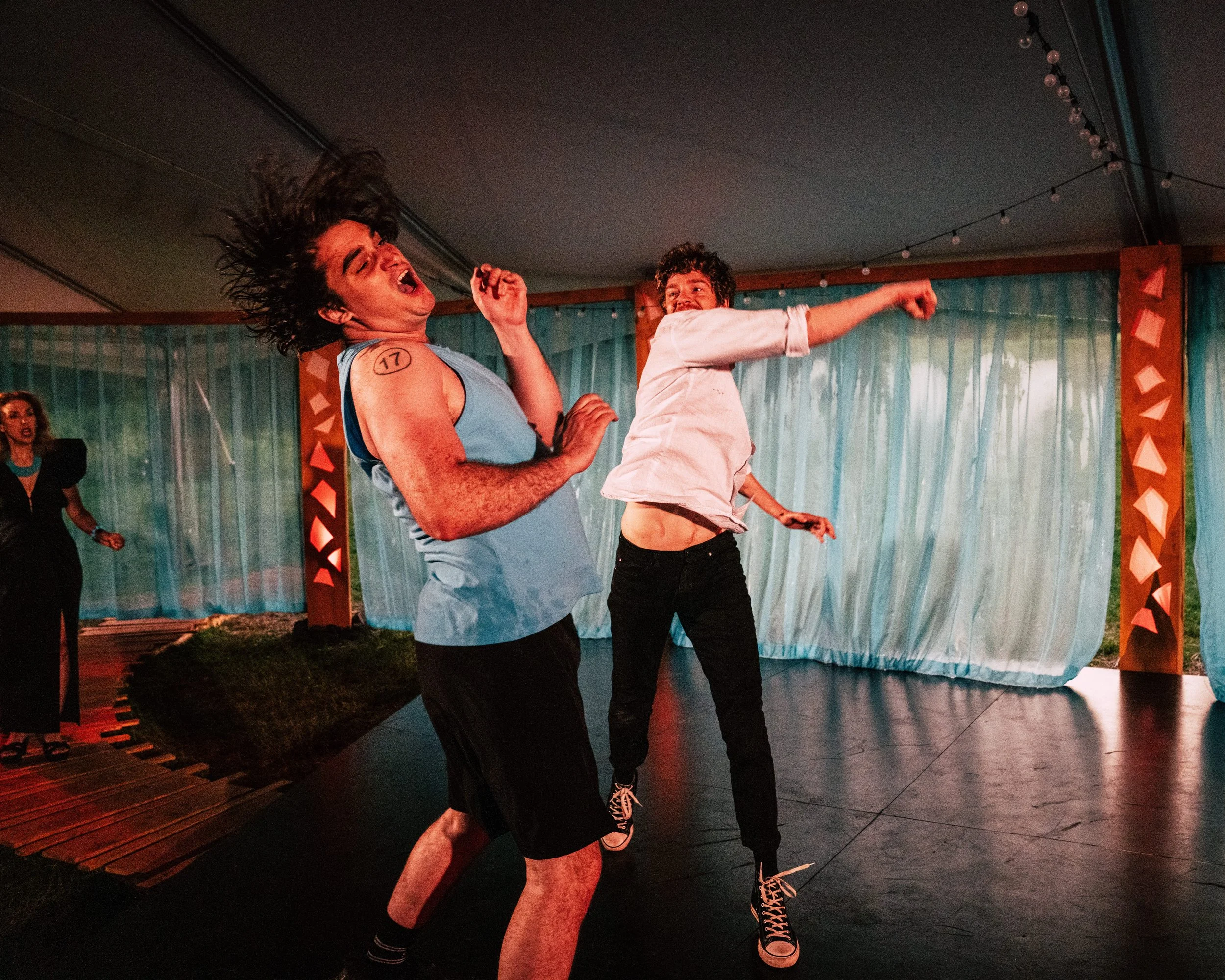
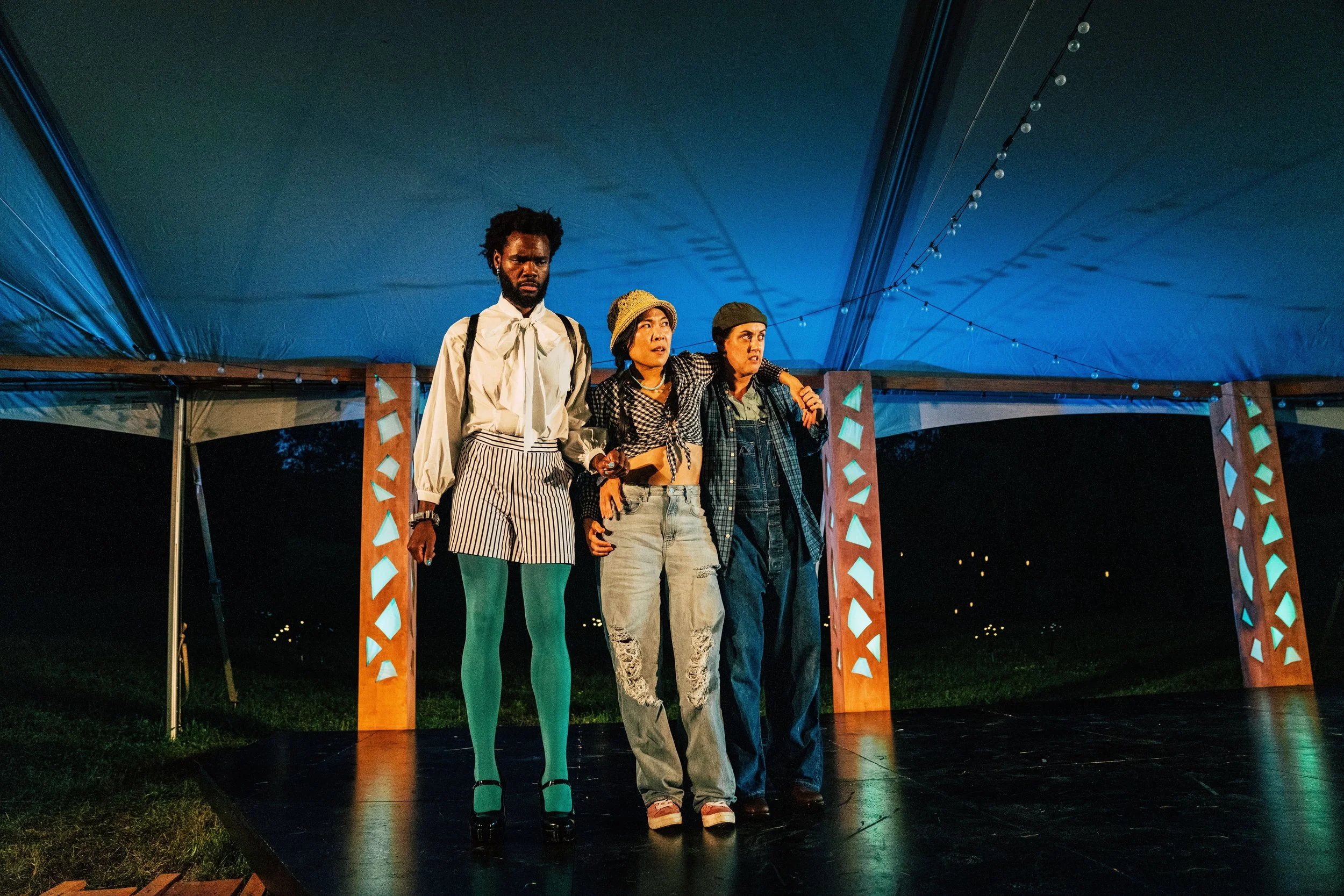
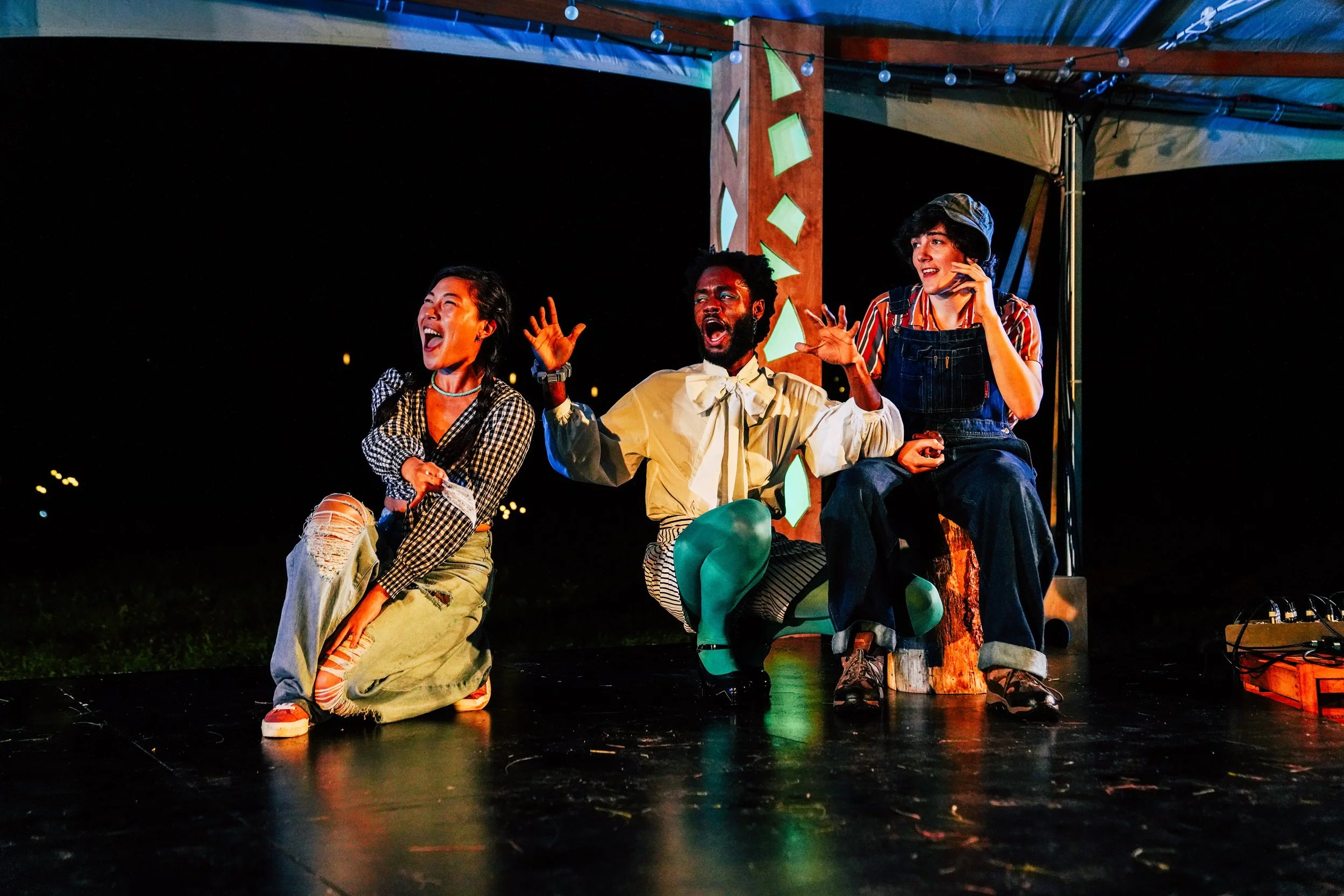
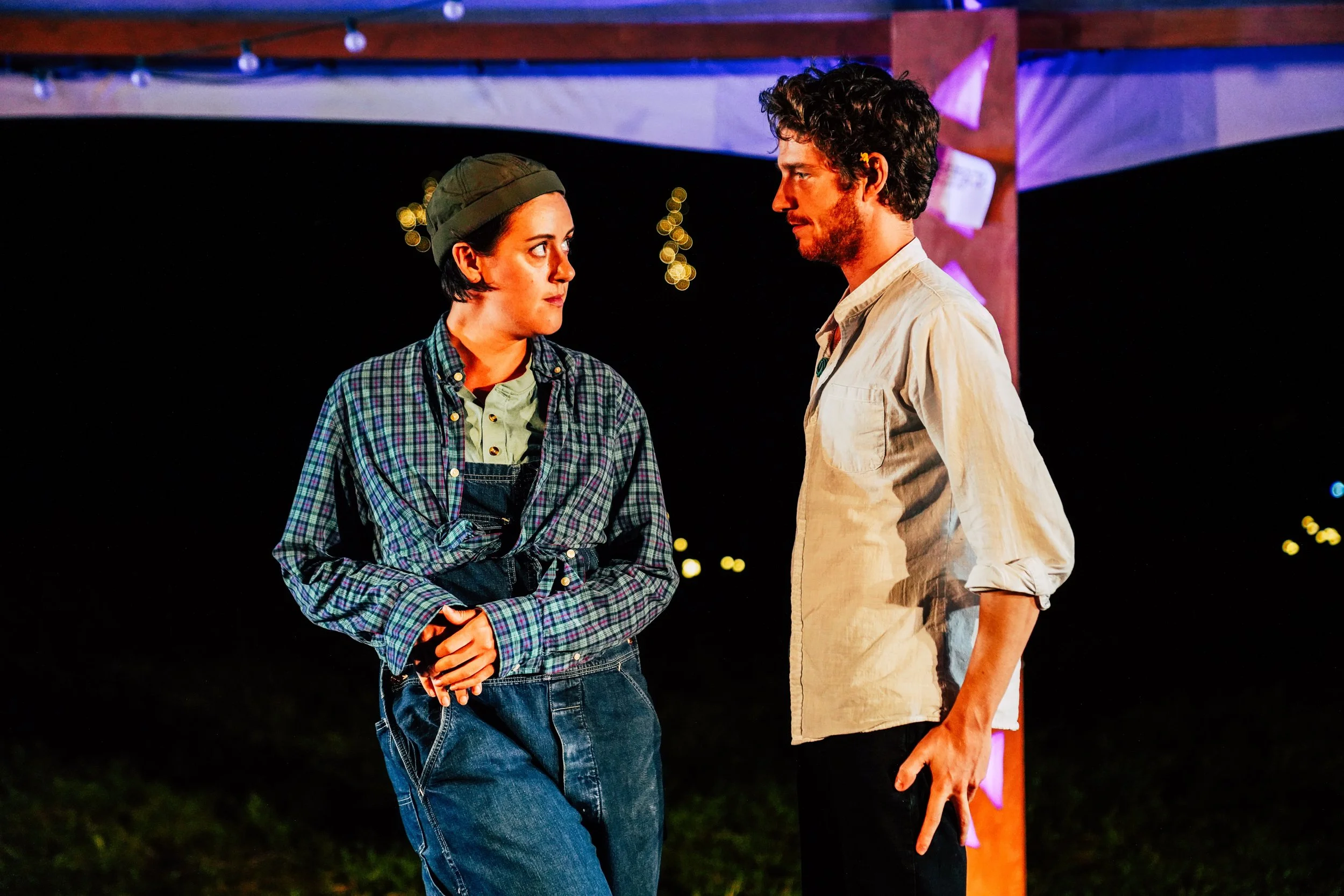
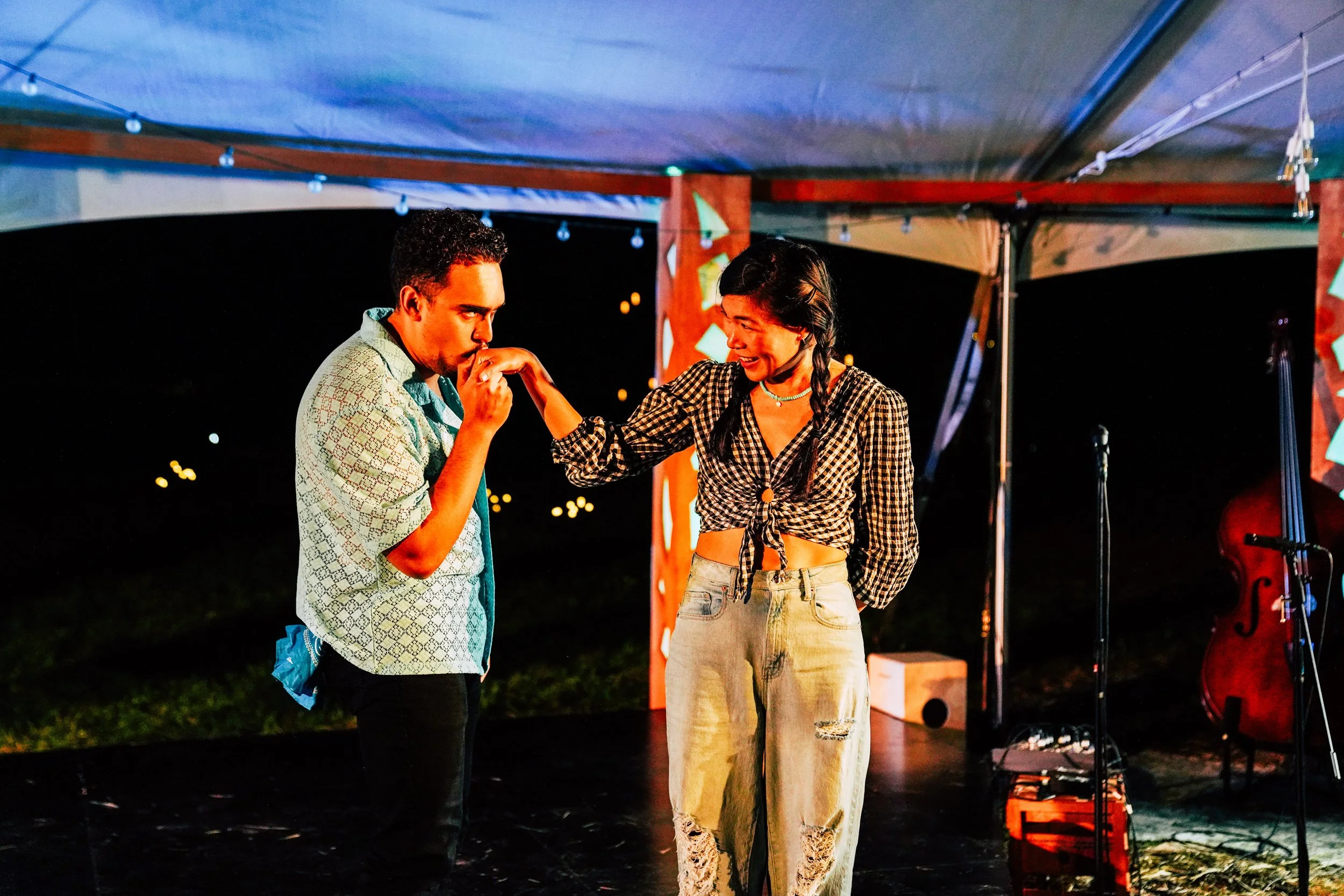
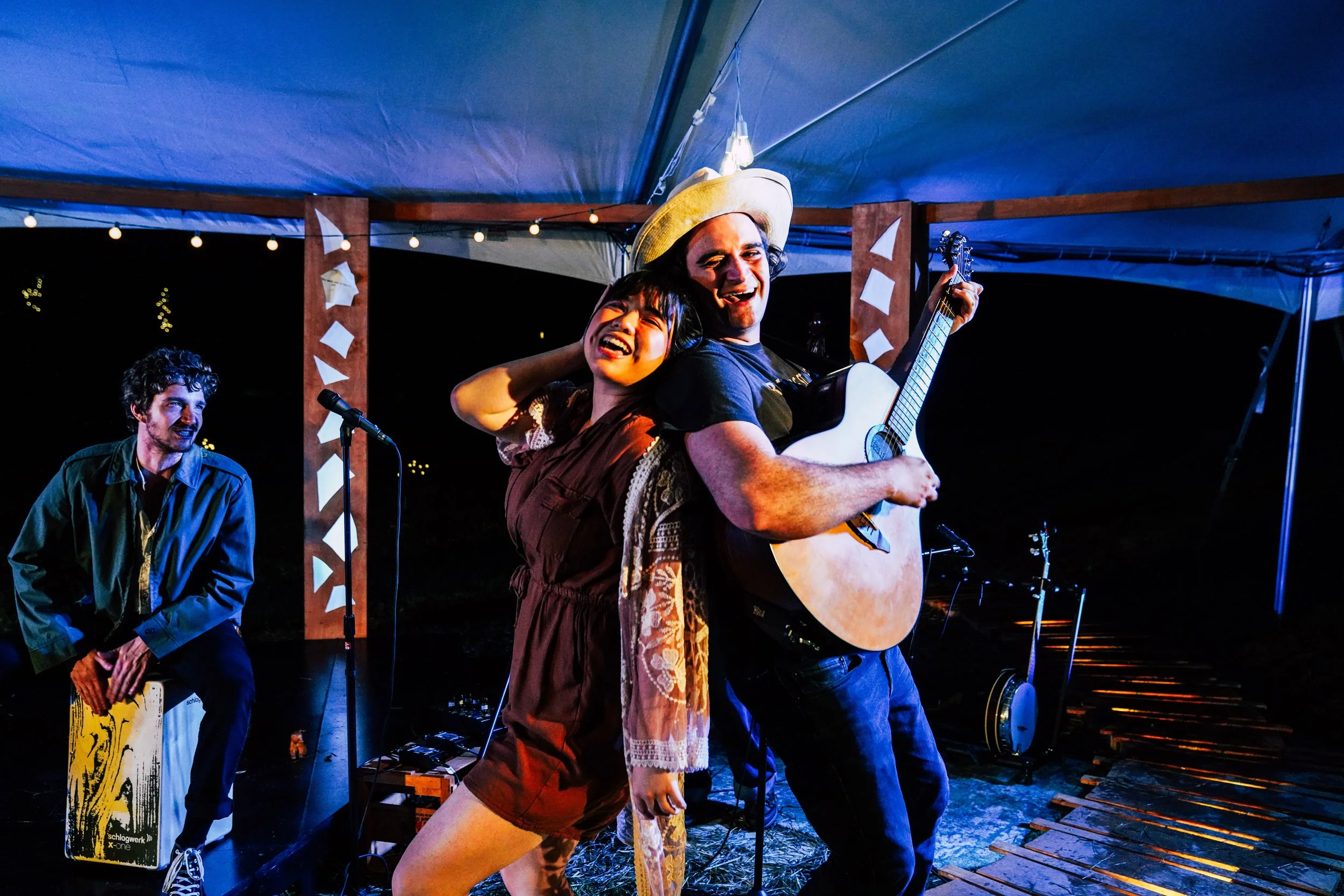
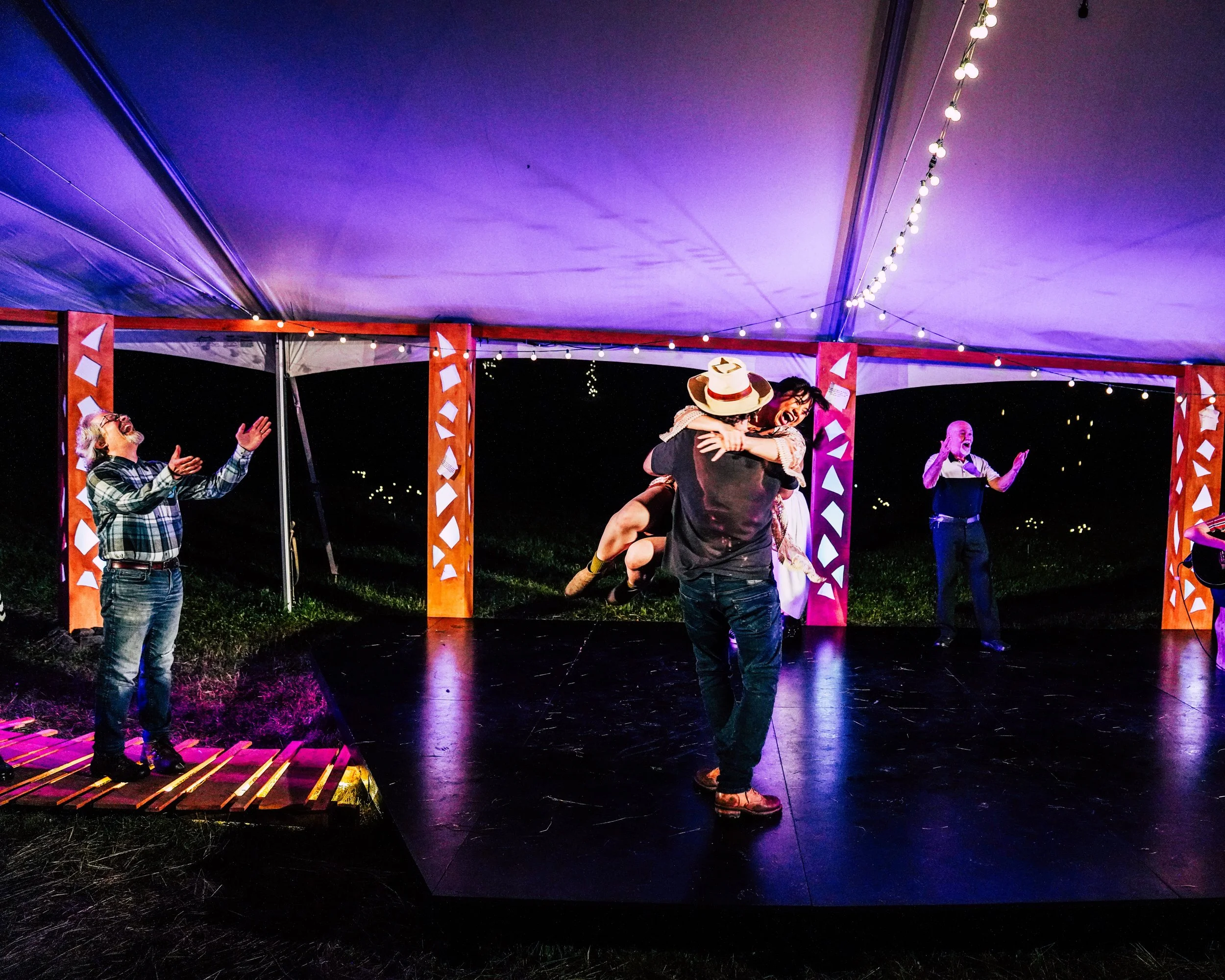
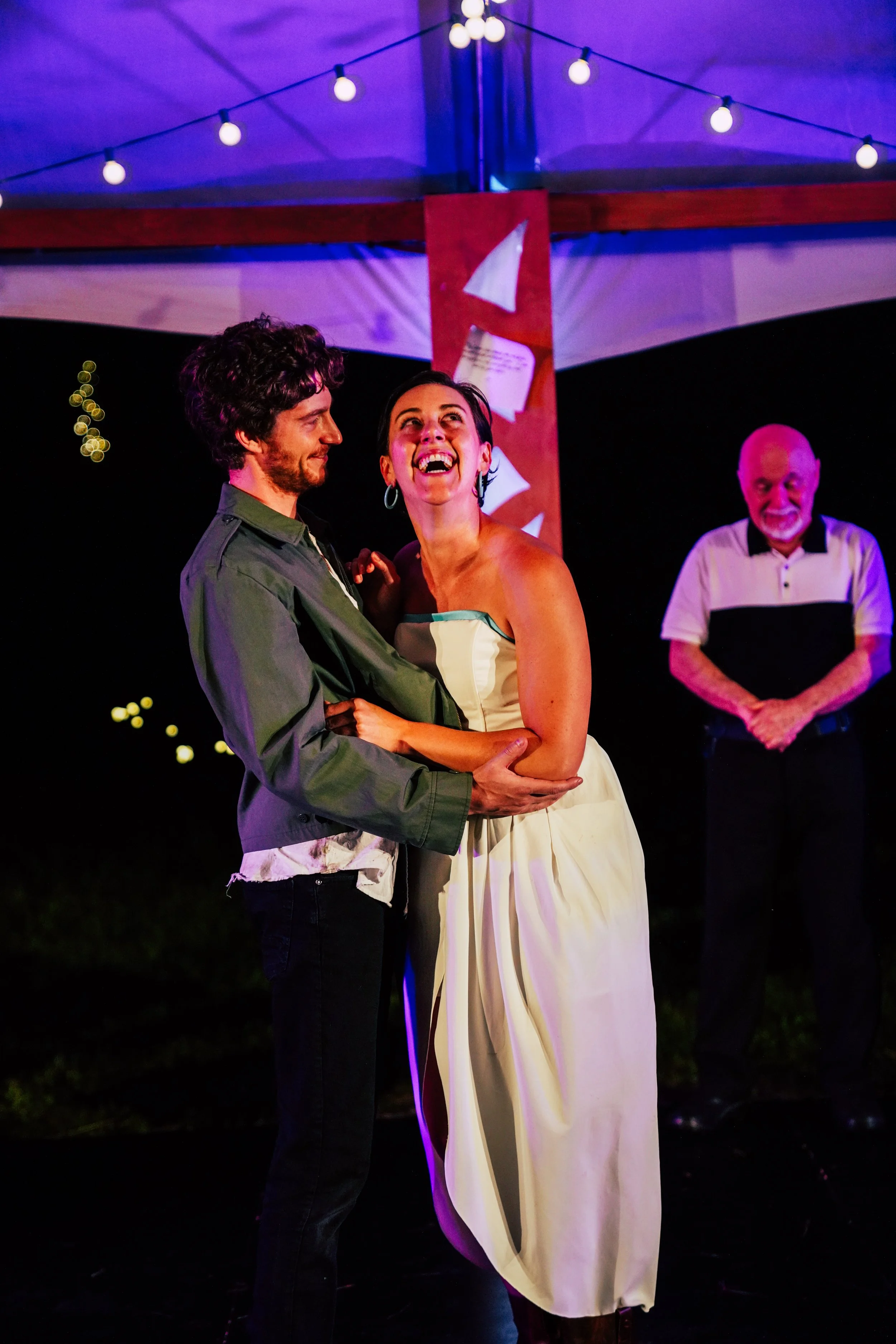
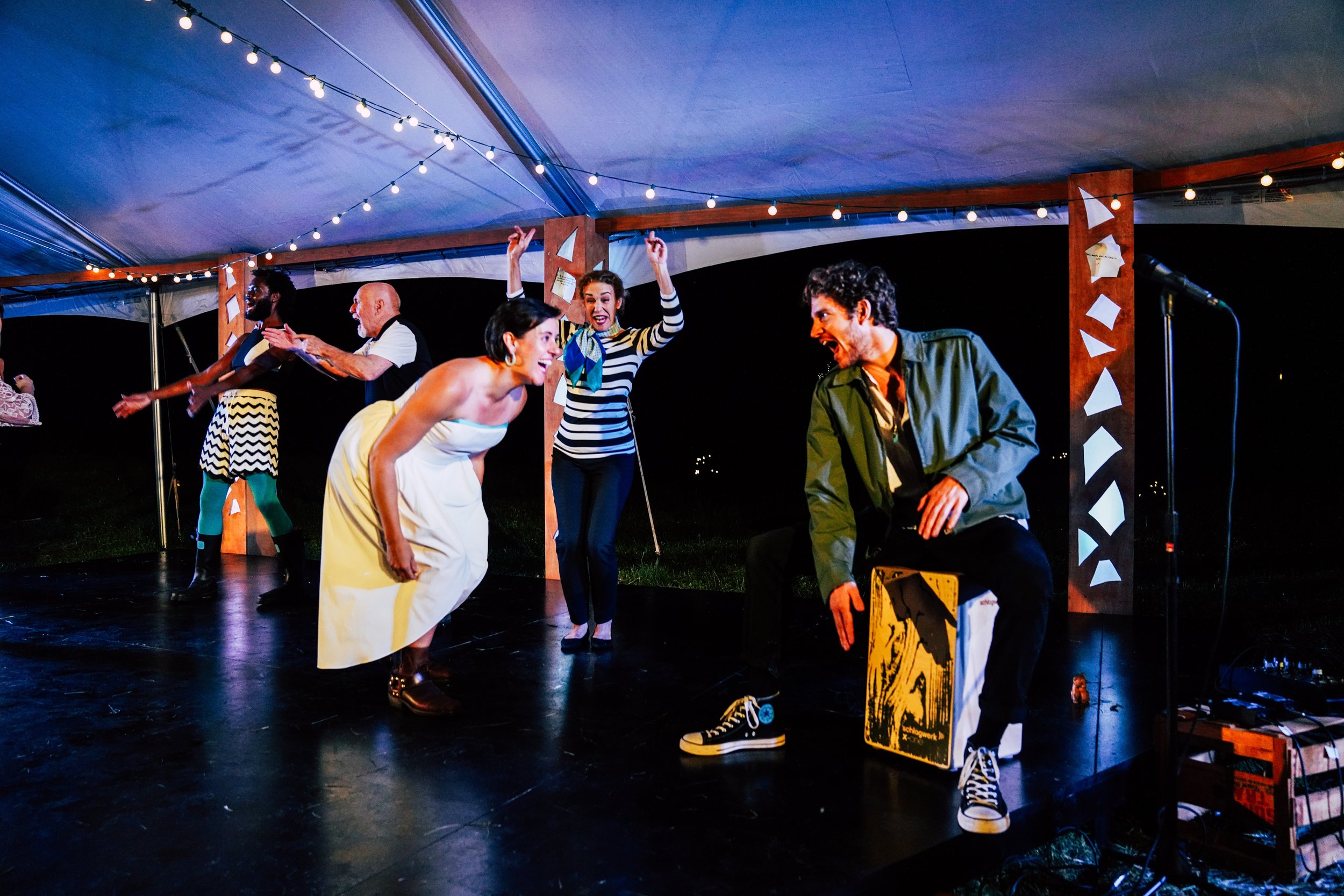
Sydney Berk’s As You Like It for Catskill Mountain Shakespeare was a joyful, music-filled production built around the contrast between the cold, confined world of the court and the freedom of the Forest of Arden.
The production began in a rigid, contained space defined by structure, restraint, and control. When the characters escaped to Arden, the world of the play literally opened up: the walls of the court were torn down to reveal the country behind them, transforming the stage into a freer, more expansive space. That shift was carried through the music as well. Once the play entered Arden, the soundscape became entirely live and acoustic, with the cast playing instruments onstage and performing songs by David Bowie, The Cure, Tom Petty, Johnny Cash, and others. The music helped create a world that felt looser, warmer, and more communal, while underscoring the characters’ movement toward freedom, play, and self-discovery.
At its heart, the production was about the joy of figuring out who you are when the rules fall away—and the thrill of discovering that someone might love you even more for it.